
Don’t Cut, Core, or Drill Blind
SuperiorGPR is trusted on complex job sites
What Is 811?
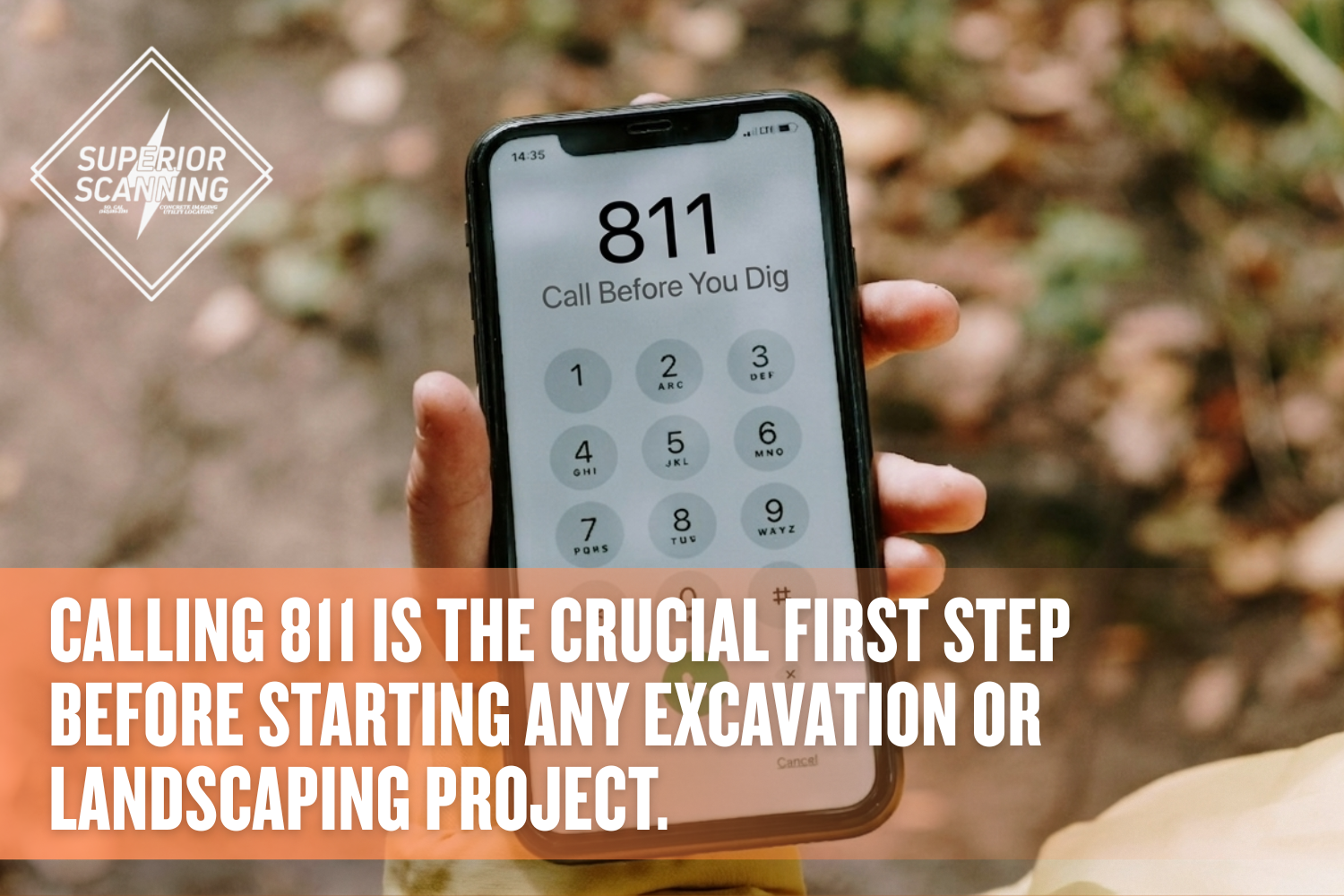
The 811 number serves as a free, federally mandated service designed to protect underground infrastructure. Calling this number routes you to a local center that notifies local public utility companies about your upcoming excavation plans. These utility operators then send technicians to mark the approximate location of the buried pipes and cables.
What Is 811 Used For?
People ask what 811 is used for when planning a new project. This service notifies public utility operators before a project starts so field technicians can mark the buried lines. This free notification gives operators the chance to send a locator out to paint safety warnings on the ground.
What Is the History of 811?
The FCC officially designated 811 as the universal, nationwide number for utility locating back in March 2005. The government created this single three-digit number so people would no longer have to memorize complex local phone numbers or dig up old contact lists. It streamlined the entire notification process, making communities much safer.
Why Should You Call Before You Dig?
Calling 811 protects you and the community from dangerous accidents and steep financial liabilities. Striking a buried line can easily cause widespread service outages, severe injuries, and expensive emergency repair bills. Taking a few minutes to call before you dig prevents these costly accidents.
Why Is Calling 811 Important for Small Jobs, Too?
Even light landscaping work requires a call because utilities often sit much closer to the surface than people realize. Digging a flower bed, planting small trees, installing a new mailbox, or putting up a fence can all easily strike a buried pipe. Soil erosion and past grading projects often leave critical lines buried only inches deep.
Why Is “I’m Not Digging Very Deep” a Risky Assumption?
Assuming a project is too shallow to cause harm is a costly error. People frequently search for how deep they can I dig before calling 811, hoping for a safe limit. There is no safe depth for skipping this step, because a simple shovel strike can easily rupture a shallow gas line or cut a neighborhood telecom cable.
How Does 811 Work Before a Dig Starts?
The 811 process requires you to submit specific details about your project to a local call center. The center then passes that information along to the utility companies operating in the immediate area. Gathering specific project details ensures the locators know exactly where to check.
What Information Do You Need Before Calling 811?
You must gather specific details about your project to ensure the locators check the correct area:
- The exact street address, the county, and the nearest cross street.
- The specific type of work you plan to do.
- The exact area on the property where the digging will happen.
What Happens After You Submit an 811 Ticket?
You will receive an official ticket number to track your request after you submit the form. The system notifies all affected utility companies in your area so they can dispatch locators to mark the approximate location of buried lines. Some utilities may simply respond with a message confirming they have no facilities in your specific work area.
How Long Do You Need to Wait Before Digging?
You cannot start digging the moment you hang up the phone. State laws vary slightly, but the standard guidance is to wait a few business days for locators to arrive. You must always follow your local state requirements and wait for the official response before moving any dirt.
Don’t Cut, Core, or Drill Blind
SuperiorGPR is trusted on complex job sites
What Does 811 Locate?
The 811 service maps out the public utilities that run from the street to your service meter. Knowing exactly what 811 locates helps project managers understand the limitations of a standard public sweep. The service does not guarantee full site knowledge, but it does cover the major public infrastructure lines.
Which Public Utilities Are Usually Marked?
Public locators focus strictly on the utility lines owned by the city or local utility providers:
- Natural gas mains and public supply lines.
- Electric power cables leading up to the meter.
- Public water supply pipes.
- City sewer connections.
- Telecom cables.
- Public cable television lines.
How Are Utility Lines Marked on Site?
Technicians use standardized visual indicators to map out the approximate path of the utility on the ground:
- Brightly colored spray paint is applied to grass or asphalt.
- Small plastic flags pushed into the dirt.
- Wooden stakes for taller vegetation areas.
- Standardized color-coded utility markings that identify the specific type of pipe.
What Does 811 Not Locate?
Public utility locators strictly follow public property lines and main utility easements. They do not locate any property owned by a private property owner, leaving large blind spots on commercial and residential lots. Understanding these limits is vital for maintaining a safe jobsite.
Does 811 Locate Private Utility Lines?
The 811 service does not locate private utility lines. Unregistered utilities, abandoned pipes, and infrastructure running past the main service meter will not get marked during a standard 811 sweep.
What Private Utilities Can Be Missed?
A standard public location will leave several dangerous hidden lines completely unmarked:
- Private electric feeds running between buildings.
- Sprinkler and irrigation lines.
- Buried propane lines.
- Parking lot site lighting wires.
- Secondary power lines connecting a house to a garage.
- Private communications lines.
Why Can Old Marks or Site Changes Create Problems?
Relying on old utility markings from a past project creates extreme safety hazards:
- Painted marks can fade quickly in the sun or rain.
- Changing soil conditions can shift the actual location of pipes.
- Previous excavation work can affect what sits in the ground.
- New utility work may have been added since the last ticket was closed.
What Should You Do After Utilities Are Marked?
Having marks on the ground means you can transition into the active planning phase of your project. You must review the ticket details and confirm the site is clear before firing up any heavy machinery. Careful digging practices ensure the newly marked lines remain safe.
How Do You Confirm All Utilities Responded?
You should never assume one set of paint marks means every utility has responded to your ticket. Compare the visual marks on the ground with your official ticket to verify that every notified utility company responded. You must wait for all clear signals before breaking ground.
How Do You Dig Safely Around Utility Marks?
Safety protocols require crews to dig carefully around the marks rather than digging directly on top of them. Most states enforce a tolerance zone around paint lines, requiring contractors to use hand-digging tools or soft excavation methods to avoid striking the pipe.
When Do You Need a Re-Mark or Ticket Renewal?
Projects that span weeks or months often require a new ticket. Long jobs, faded marks, or disturbed dirt can require you to request a re-mark or a complete ticket renewal. You must stop all work and verify the lines again if the markings are no longer clear.
How Deep Can You Dig Before Calling 811?
People often look for loopholes to avoid the waiting period for a locate request. They search for how deep they can dig before calling 811, hoping minor surface work gets a free pass. The simple truth is that all ground penetration requires a proper utility check.
Is There Any Depth Where You Can Skip 811?
There is no safe depth where you can skip calling 811. Every digging project must start with a formal request because public utility lines often sit just a few inches below the grass.
Which Everyday Projects Still Count as Digging?
Many routine home improvement tasks carry the exact same risks as major construction trenching. You must call before starting everyday projects like planting trees, setting fence posts, installing a mailbox, building a deck, trenching for drainage, or doing small landscaping jobs.
When Is 811 Not Enough?
Standard public markings only provide a partial map of your total underground environment. Commercial job sites, industrial facilities, and complex residential renovations require far more detailed information than a basic 811 call provides. You must bring in specialized professionals to fill the remaining gaps.
When Should You Call a Professional for Private Utility Locating?
You need a private utility locator when working on private property beyond the main meter. You should also call an expert when you suspect private lines are present, when the job involves heavy trenching, or when you need total site clarity before crews move forward.
When Should You Use GPR Concrete Scanning?
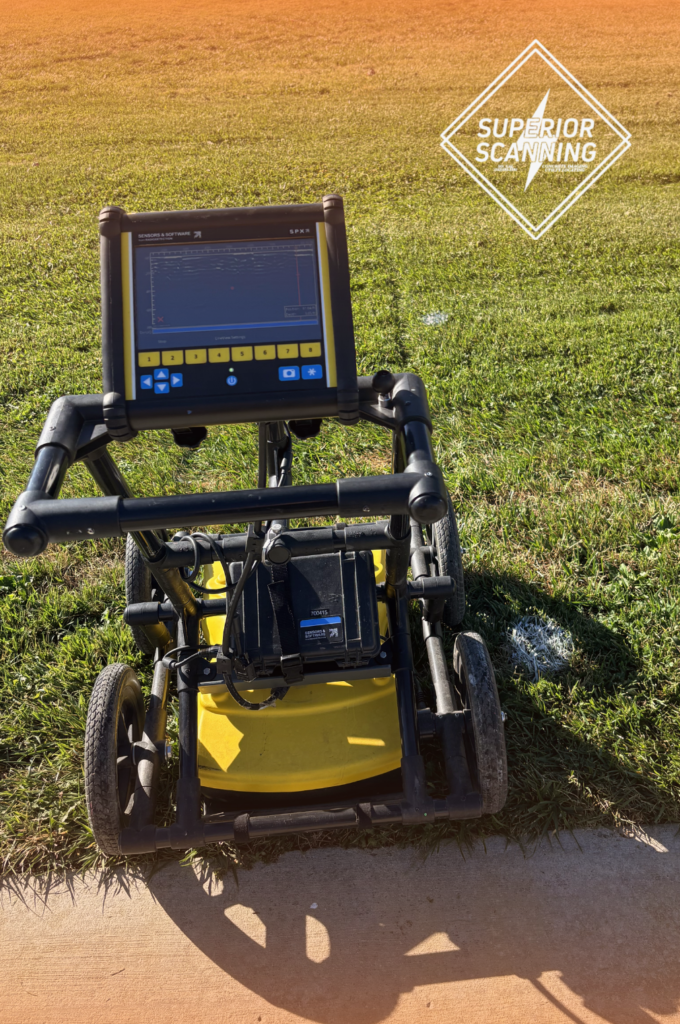
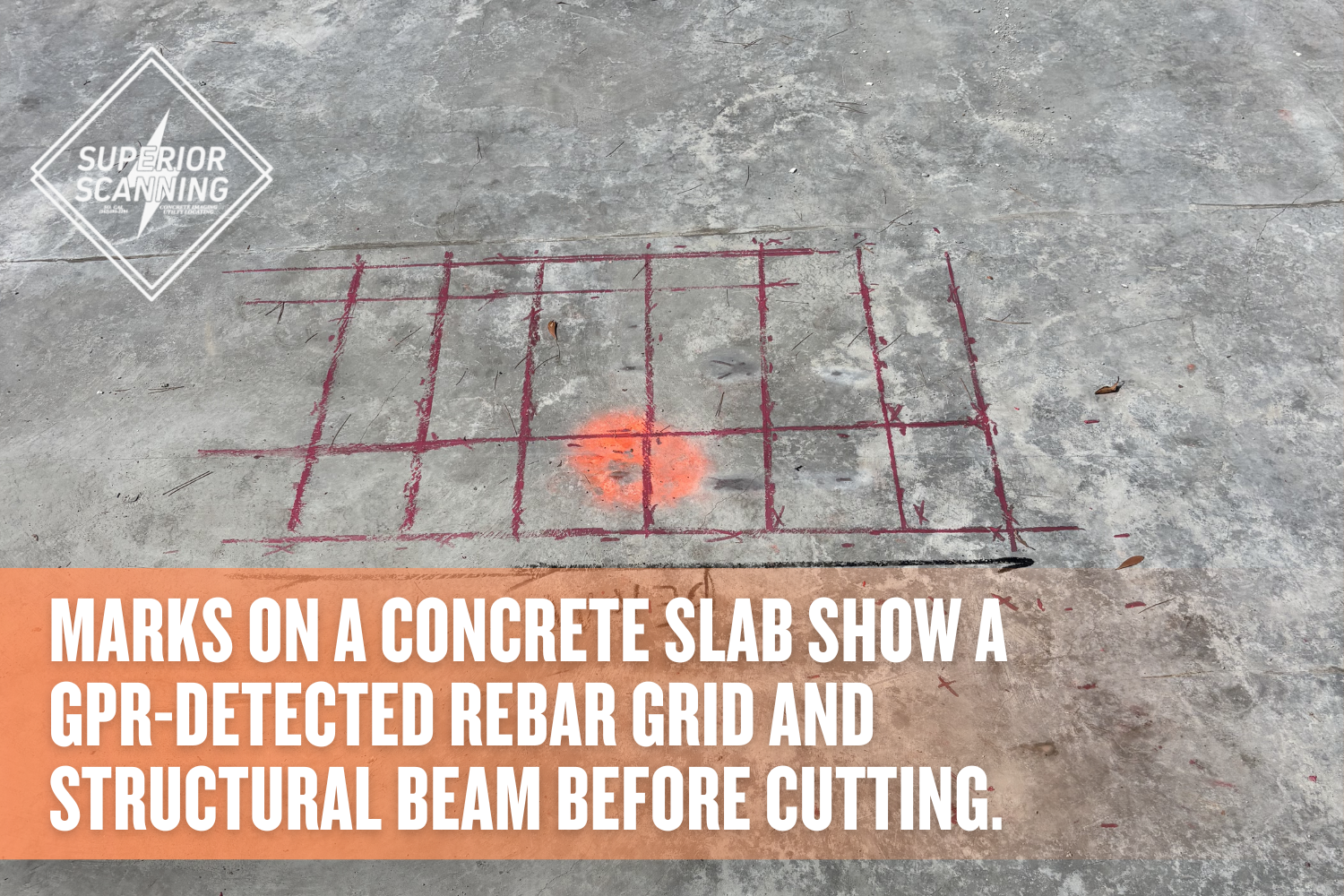
You must schedule ground penetrating radar (GPR) concrete scanning before cutting, coring, drilling, or saw-cutting concrete slabs. This specialized technology helps check for embedded conduits, rebar, post-tension cables, and other hidden obstacles that public locators cannot see.
When Does Utility Mapping Add More Value?
Utility mapping adds significant value on larger or more complex job sites. It creates a permanent digital record when several trades are involved in the project. Project managers use these detailed maps to give crews a clearer field reference for safer decisions and fewer costly delays.
When Should You Call Superior Scanning?
Public locators handle the streets, but project managers need an expert to handle the actual jobsite. Calling Superior Scanning gives the team the accurate, comprehensive data required to work safely on commercial and residential lots. These technicians find the private lines that everyone else leaves behind.
Don’t Cut, Core, or Drill Blind
SuperiorGPR is trusted on complex job sites
Frequently Asked Questions
What is 811 used for?
The 811 number is used to notify local public utility operators about a digging project so field technicians can mark the buried lines.
How deep can I dig before calling 811?
There is no safe depth to dig without calling 811 because dangerous utility lines often sit just a few inches below the surface.
Does 811 locate private utility lines?
The 811 service does not locate private utility lines running past the main meter or between buildings on private property.
How long after calling 811 can I start digging?
You must wait a few business days for locators to mark the site, and the exact wait time depends on your specific state laws.
Do I need to call 811 for a fence, mailbox, or small landscaping project?
You must call 811 for small projects like fences and mailboxes because digging even a shallow post hole can strike a utility line.
Need Private Utility Locating, Utility Mapping, or GPR Concrete Scanning in Southern California?
An 811 ticket is a great start, but it will not protect the team from hidden private lines, buried irrigation pipes, or structural concrete hazards. Getting clearer site information before work starts is the only way to help reduce avoidable utility hits and dangerous concrete surprises. Superior Scanning provides the advanced detection you need to support safer, faster field decisions across Southern California.
Contact Superior Scanning today to map your site in its entirety and keep your project moving forward without costly interruptions.
