

Don’t Cut, Core, or Drill Blind
SuperiorGPR is trusted on complex job sites
Handheld vs. Rig-Mounted: Which Core Machine Is Right for Your Project?
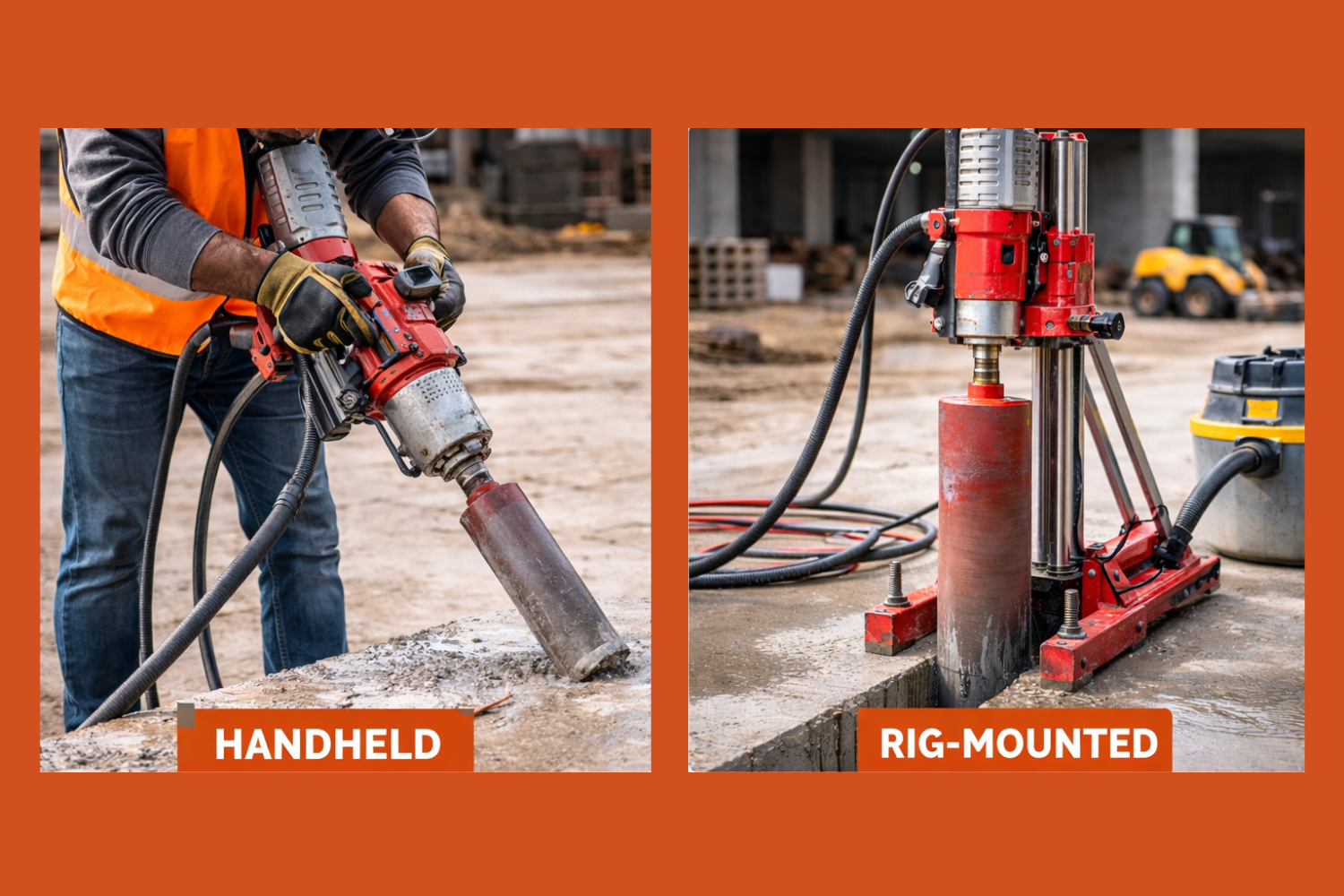
Choosing the right core machine depends on hole diameter, slab conditions, and available working space. Most projects fall into two main categories of equipment: handheld drills and rig-mounted drills. Understanding where each setup works best can improve planning, reduce operator strain, and help the workflow run more smoothly.
Handheld Drills
Handheld units are often used for smaller holes, typically 3 inches or less, and can be useful in tight utility closets or narrow hallways. However, these tools require more physical control from the operator than rig-mounted systems. If the bit catches on hidden rebar or another embedded element, the operator may lose control of the drill. That can increase the risk of binding and kickback.
Rig-Mounted Drills
Rig-mounted setups are commonly used for larger or deeper commercial core drilling tasks. These units are mounted to a stable surface or base before drilling begins. That stable mounting setup helps crews manage large-diameter cuts and deeper drilling with better control.
| Feature | Handheld Drills | Rig-Mounted Drills |
|---|---|---|
| Ideal Hole Size | Smaller holes up to three inches wide. | Large-diameter cuts and deep drilling. |
| Best Workspace | Tight utility closets and narrow hallways. | Heavy commercial sites with ample room. |
| Mounting Style | Held manually by the operator. | Bolted directly to the solid wall or floor. |
| Operator Impact | Takes a severe physical toll on the worker. | Highly stable setup reduces worker fatigue. |
| Main Safety Risk | Snags can cause dangerous kickbacks. | Requires a secure anchor to prevent shifting. |
Don’t Cut, Core, or Drill Blind
SuperiorGPR is trusted on complex job sites
What Are the Core Specifications You Must Look for in a Concrete Core Drill?
Before renting or buying a concrete core drill for a commercial site, it helps to review the machine’s technical specifications. Choosing a machine with the wrong specifications can shorten bit life and slow production. Two of the main factors to review are motor power and water-delivery capability.
Motor Power and Speed
Matching motor speed to bit size can help support cleaner drilling and better bit performance. If a large bit runs too fast, heat buildup can reduce cutting efficiency and shorten bit life. If a small bit runs too slowly, drilling efficiency may drop, and the motor can be placed under added strain.
Wet vs. Dry Drilling Capabilities
Wet drilling is commonly used on commercial concrete-drilling jobs, especially when dust control and bit cooling are important. Water delivered at the cut can help reduce airborne silica exposure and help keep diamond bits cooler during drilling. Dry drilling may be more limited on commercial slabs depending on the material, the method, and dust-control requirements. Dust-control requirements and heat buildup can make dry setups less practical for many commercial applications.
Why Is a Diamond Core Drill the Industry Standard for Concrete Coring?
Diamond core drills are widely used for concrete coring because they cut dense material with more control than many impact-based methods. This cutting method is designed for controlled material removal. High-quality diamond segments are designed to cut through reinforced concrete, including rebar, in many applications. A standard masonry bit is generally not suited for the same reinforced concrete coring tasks. Using the right diamond tooling can support more consistent concrete coring performance on demanding Southern California job sites.
How Does a Pre-Scan Protect Your Expensive Core Drills?
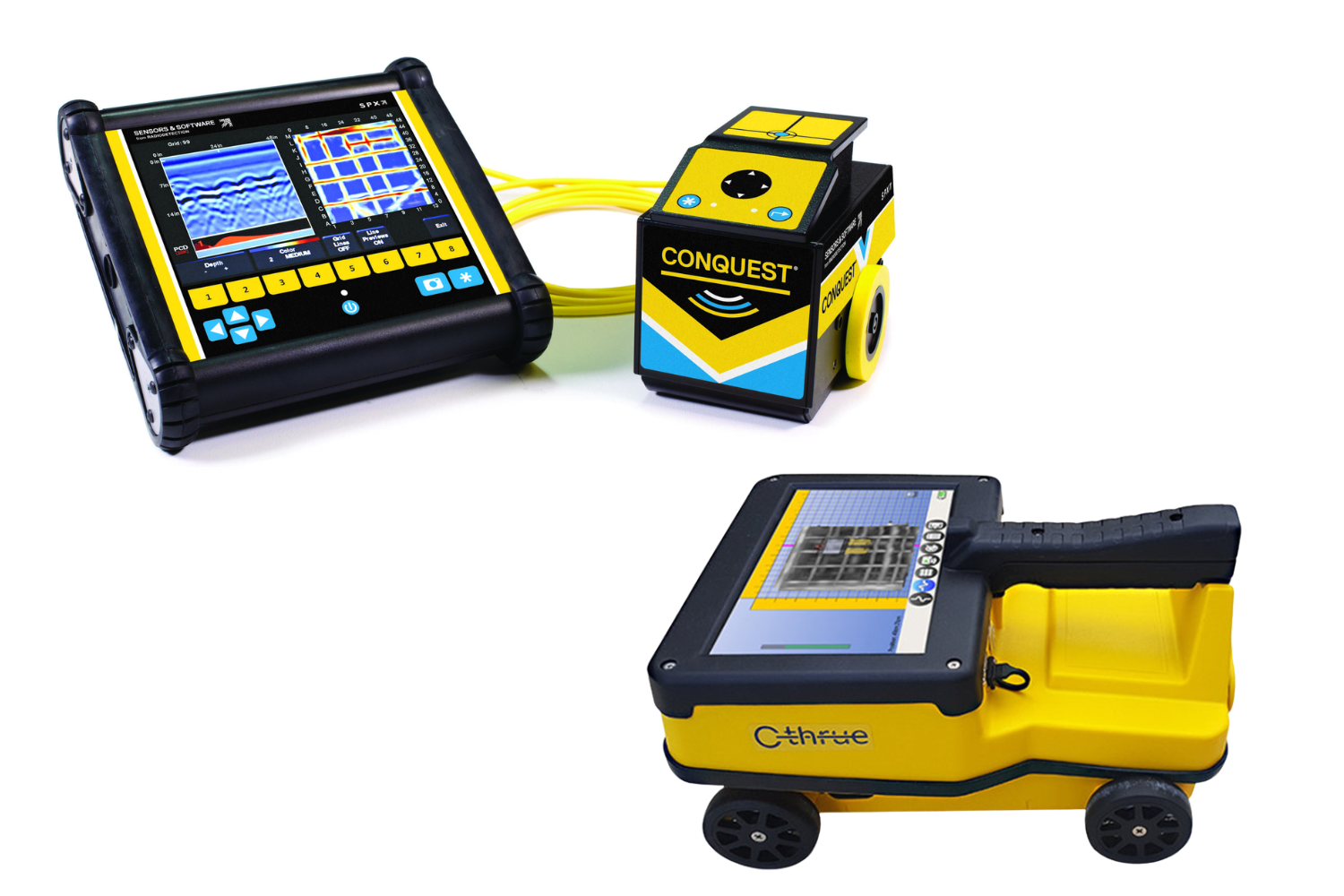
A scan from Superior Scanning can help protect core drills by identifying likely embedded elements before drilling begins.
- Helps reduce equipment damage: Even advanced core machines can be damaged if they come into contact with a post-tension cable or another unexpected embedded element.
- Supports safer drilling decisions: Striking a hidden live conduit or another embedded element poses a serious safety risk to the operator and nearby crew.
- Supports bit life: Reviewing the slab ahead of time can help the crew avoid unexpected obstacles and reduce unnecessary wear on tooling.
- Supports project planning: Reviewing scan data before drilling can reduce avoidable surprises, rework, and schedule disruption.
Don’t Cut, Core, or Drill Blind
SuperiorGPR is trusted on complex job sites
Frequently Asked Questions
What is the best machine for core drilling concrete?
The best machine for core drilling concrete depends on hole size, depth, slab conditions, and workspace. Rig-mounted units are often used for larger or deeper commercial cuts.
Why do contractors use a diamond core drill?
Contractors use a diamond core drill because its cutting segments are designed for dense concrete and reinforced materials, including rebar, in many applications.
Can you use a handheld core machine on commercial sites?
Yes. A handheld core machine can be used on commercial sites for smaller holes, but it usually requires more physical control and may not be the best option for larger or deeper cuts.
Is wet concrete core drilling required?
Wet concrete core drilling is commonly used on commercial jobs because it reduces airborne silica exposure and keeps bits cooler during drilling.
How does scanning protect a concrete core drill?
A professional Ground Penetrating Radar (GPR) scan helps locate hidden steel, conduits, and post-tension cables beneath the surface so the crew can plan drilling with better visibility into slab conditions.
Equip Your Team for Safe and Efficient Core Drilling
Commercial concrete coring depends on choosing the right motor, stable equipment, and suitable diamond tooling for the job. Even well-matched equipment does not eliminate the need to check what lies beneath the slab surface.
Blind cuts can increase the risk to the crew, equipment, and project schedule. Superior Scanning provides concrete scanning services for Southern California projects. That scan data can help drilling teams plan work with better visibility before coring begins.
