
Don’t Cut, Core, or Drill Blind
SuperiorGPR is trusted on complex job sites
What Is Potholing?
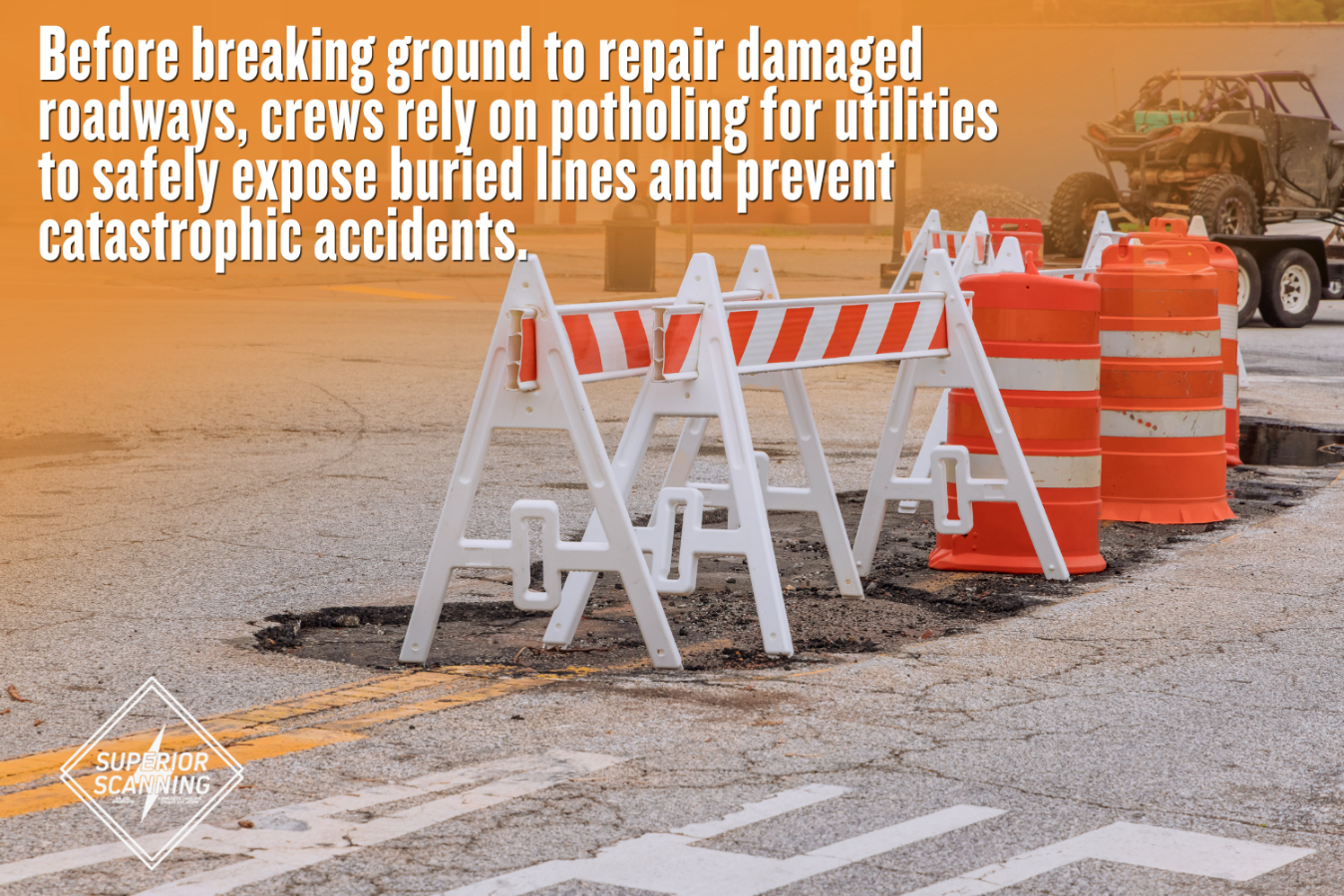
Potholing is a construction method used to safely expose and verify underground utilities before major excavation begins. Crews dig small, targeted holes to visually confirm the exact location, depth, and direction of buried lines, such as water, gas, electric, telecom, and sewer lines. This hands-on approach eliminates guesswork from outdated maps, prevents accidental strikes on critical infrastructure, and keeps projects on schedule by ensuring operators know precisely what hazards lie beneath the surface.Why Is Potholing Important Before Excavation?
Potholing is a critical pre-excavation step that eliminates the dangerous guesswork of blind digging, protecting both your crew and the project budget. By physically exposing buried utilities, operators gain a clear visual that allows them to safely maneuver heavy machinery around fragile pipes and high-risk cables. Transforming these invisible hazards into visible markers directly prevents catastrophic accidents such as explosions, electrocutions, and flooding, while avoiding the massive repair costs and schedule-halting delays associated with sudden utility strikes.When Should Potholing Be Used?
You need to verify lines anytime heavy machinery plans to break ground near suspected utilities. This approach makes practical sense for real jobsites where underground conditions are mostly a mystery. Finding lines early prevents those sudden, heart-stopping surprises during the actual dig:- Before heavy machinery breaks ground: To prevent dangerous and costly utility strikes.
- Prior to main trenching: To confirm clear paths and ensure uninterrupted equipment operation.
- When records are unclear: To visually verify actual line placements instead of relying on outdated blueprints.
- To verify marked utilities: To physically confirm surface paint or flags, which can be inaccurate.
- Before blind drilling or grading: To expose lines and prevent horizontal drills from striking critical infrastructure.
- On sites with private lines: To uncover unmapped pipes on commercial lots or campuses that public locators miss.
What Are The Main Potholing Methods?
Project managers choose specific techniques based on soil conditions and the fragility of buried lines to prevent accidental damage:- Hand Digging: The traditional, manual method using shovels. It is extremely safe for tight spaces or shallow lines, but significantly limits speed and daily efficiency.
- Hydro Excavation: Uses pressurized water and a powerful vacuum to safely break up and extract soil. It is preferred for delicate utilities as it cuts through dirt without slicing pipes, leaving a clean, precise hole.
- Vacuum Excavation: Uses high-pressure air and strong suction to loosen and extract dry dirt into a debris tank. It quickly extracts soil while keeping the site clean and ensuring safe utility verification.
- Mechanical Methods (Backhoes): Rarely used for initial exposure due to the high risk of metal buckets crushing or severing lines. They are reserved for bulk earthmoving only after sensitive lines are fully visible.
How Does The Potholing Process Work?
Uncovering lines safely requires a strict, step-by-step routine so nothing slips through the cracks. A systematic approach ensures operators communicate clearly and dig safely, without costly accidents.Step 1: Review Plans, Utility Markings, And Site Conditions
You start by gathering all available data to form a baseline map of the jobsite. Reviewing plans and site conditions helps you identify where hazards are likely to exist. This sets the stage for accurate digging.Step 2: Choose The Right Potholing Location
Target the specific spots where your planned excavation path crosses known utility lines. You want to dig exactly where a conflict might happen. Precision placement right from the start saves both time and back-breaking effort.Step 3: Select The Best Excavation Method
Base your tool choice on the soil type and the level of congestion in the underground space. Hydro trucks handle complex, root-filled areas far better than manual shovels. Picking the right tool keeps the utility perfectly intact during exposure.Step 4: Expose And Identify The Utility
Carefully dig down until the pipe or wire is fully visible to the naked eye. You must visually confirm the material, size, and current condition of the line. Seeing it in person removes every shred of doubt.Step 5: Record Depth, Type, And Position
Document the exact depth and position of the exposed utility for your records. Accurate measurements give the design team a chance to adjust the excavation plan if the pipe is in the way. Good documentation prevents massive headaches later in the project.Step 6: Share Findings With The Field Team
Relay all your findings to the field team so everyone knows where the hazards live. Clear, constant communication keeps equipment operators on high alert when they work near the exposed lines.Step 7: Restore The Area If Needed
Finally, backfill the hole with suitable material. You might need to patch the asphalt if the hole was drilled into a roadway or parking lot. Proper restoration keeps the site completely safe for foot traffic and regular vehicles.Don’t Cut, Core, or Drill Blind
SuperiorGPR is trusted on complex job sitesWhy Is Utility Scanning Important Before Potholing?
Utility scanning serves as a critical digital roadmap, making potholing safer and more efficient. By pinpointing exact signal crossings and revealing unmapped private lines that public records miss, it accurately guides test hole placement and prevents crews from wasting effort breaking ground in empty dirt. Ultimately, combining this detailed scanning data with the physical proof of potholing creates a foolproof safety net for complex excavation projects.How Do GPR And Private Utility Locating Support Potholing?
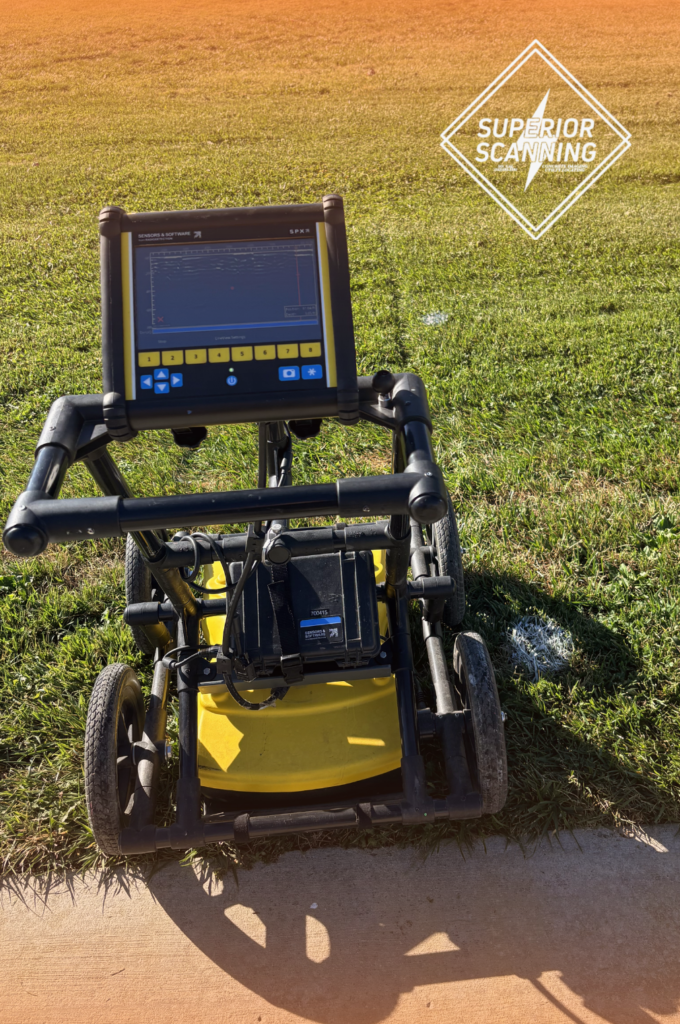
Ground Penetrating Radar (GPR) and private utility locating are crucial pre-potholing steps that detect hidden hazards like plastic pipes, underground tanks, and private systems that standard public sweeps completely miss. By combining these advanced scanning techniques with physical potholing, project managers gain a comprehensive, real-time map of the underground environment, effectively eliminating dangerous guesswork. This multi-layered approach provides the hard data needed to confidently adjust excavation plans, ensuring that field crews can operate more quickly, protect existing infrastructure, and maintain maximum jobsite safety.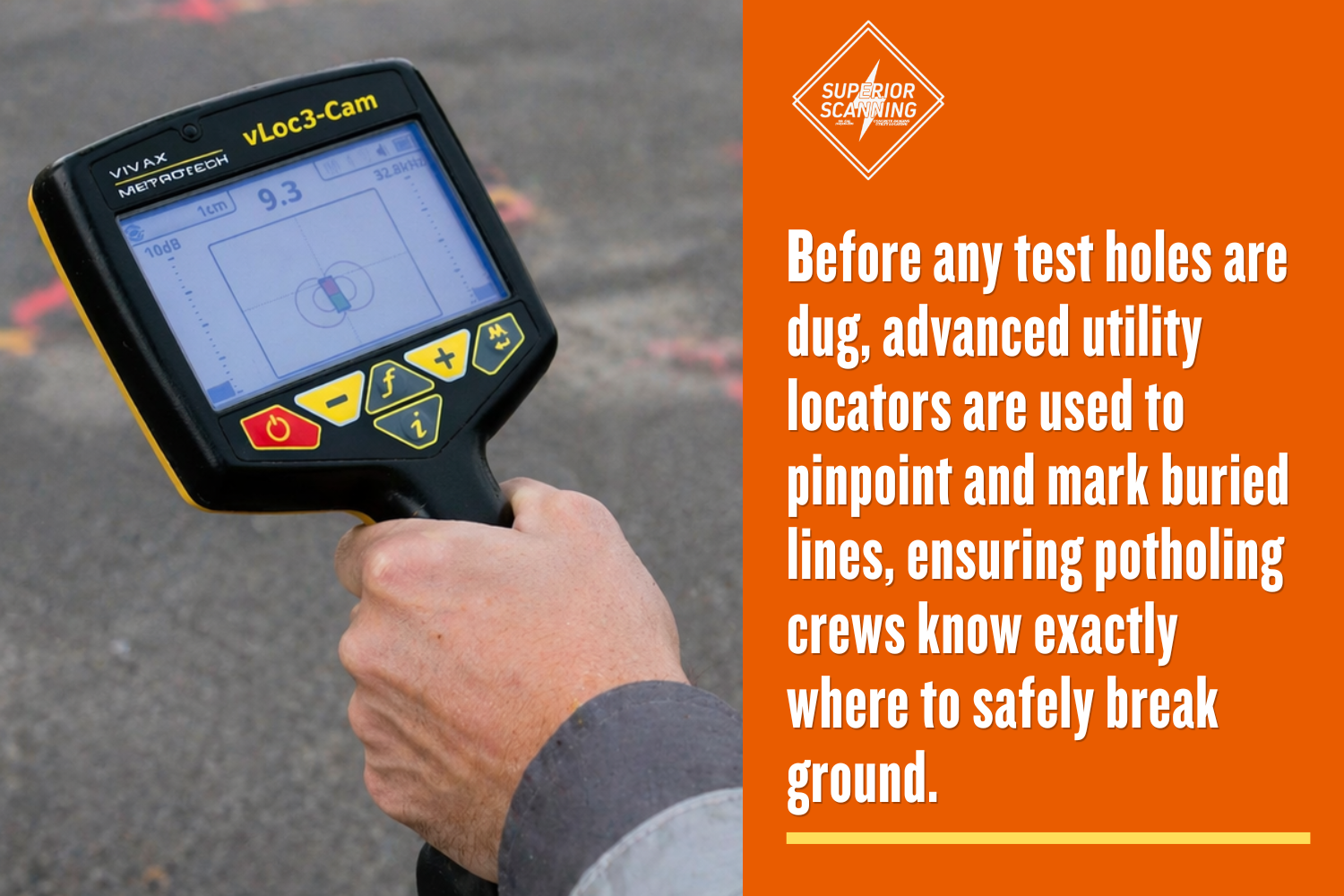
What Are The Benefits Of Potholing For Utilities?
Uncovering buried lines transforms a risky dig into a highly controlled operation, providing total confidence before heavy equipment arrives. Key advantages include:- Better Utility Verification: Visually confirm the exact size, material, and condition of pipes instead of relying on faded blueprints.
- Lower Financial Risk: Protect project budgets from sudden fines, emergency repair bills, and shutdowns resulting from utility strikes.
- Safer Excavation Planning: Give engineers accurate data to proactively adjust trench paths and avoid dangerous conflicts.
- Fewer Delays and Change Orders: Eliminate mid-project redesigns, keeping operations predictable and timelines on track.
- Better Documentation for Future Work: Create an accurate, permanent map of underground utilities to ensure safer maintenance and expansion.
What Are The Risks Of Skipping Potholing?
Skipping this critical step invites disaster, massive expenses, and serious danger onto your jobsite, making blind digging a high-stakes gamble. The primary risks include:- Hidden Utility Conflicts: Striking unmapped infrastructure, such as sewer lines, forces crews to immediately halt work and wait for redesigns or fixes.
- Unsafe Excavation Conditions: Putting the entire field team in extreme danger by blindly digging near high-voltage cables or gas mains, risking fatal explosions or massive electrical arcs.
- Damage to Active Lines: Creating immediate public emergencies, such as flooding a site by severing a water main or cutting power to local businesses and hospitals.
- Project Delays, Repairs, and Added Costs: Wiping out job profits instantly with the cascading expenses of emergency repair bills, fines, and paying idle crews during downtime.
When Should You Call A Professional Like Superior Scanning?
Call an expert when underground conditions are complex, dangerous, or unknown to ensure your crew digs safely:- For Private Utilities: Independent locators are required to find unmapped private systems, such as campus power grids or hospital oxygen lines, that public services ignore.
- When Records Conflict: If surface markings contradict old blueprints, professionals can quickly verify the area physically and resolve the confusion before they break ground.
- To Boost Crew Confidence: When operators suspect hidden lines are nearby, expert verification provides the solid “green light” needed to proceed safely with a difficult dig.
- For an All-in-One Workflow: A single, dedicated team can bundle scanning, locating, and mapping into one seamless process, delivering a complete picture of the underground space.
