
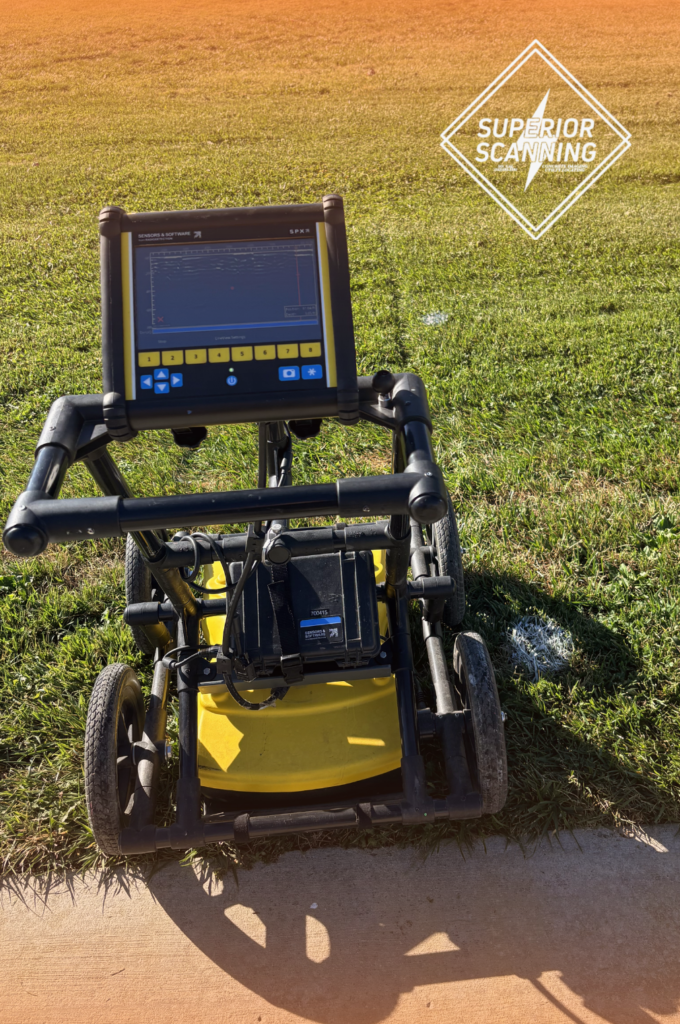
Picking the very first local search result for a high-stakes construction project often leads to disastrous utility strikes. Looking beyond basic search engine rankings helps project managers find verified, documented expertise. A quick online search for ground-penetrating radar services near me is just the beginning of the vetting process.
Superior Scanning is a trusted, certified partner in preventing serious site accidents. Verifying these credentials is an essential step for complete site safety before breaking ground. A reliable ground-penetrating radar (GPR) provider has the right paperwork to support the technology.
Table of Contents
Don’t Cut, Core, or Drill Blind
Superior Scanning is trusted on complex job sites
Why Do Certifications Matter for Underground Scanning?
Certifications ensure a technician operates complex radar equipment safely on a commercial site. Improper scanning easily misses crucial hidden hazards, which leads to massive project delays and dangerous conditions. These verified credentials protect the crew and keep the budget completely intact.
Protection Against Costly Utility Strikes
A certified technician accurately maps the subsurface to prevent excavators from hitting active gas or water lines. Hiring a dedicated ground-penetrating radar scanning (GPRS) service ensures that operators understand exactly how to interpret the data on the screen.
Compliance With Stricter Municipal Building Codes
Verified operators ensure the scanning process meets all strict safety regulations mandated by local city inspectors. High-density urban projects rely heavily on underground utility locating services near me to meet municipal permit requirements.
Reduction of Overall Site Liability:
Proper documentation from trained professionals shifts the risk away from the general contractor and protects the project’s equity. Site owners sleep better knowing a certified expert cleared the land.

Which OSHA Certifications Protect the Job Site?
Occupational safety training is an absolute necessity for any technician stepping into an active construction zone. Safety-certified operators actively protect the entire crew from hazardous situations and unpredictable environmental dangers. Project managers should look for the following specific credentials:
- OSHA (Occupational Safety and Health Administration) 10-hour training for basic site hazard recognition
- OSHA 30-hour certification for designated site supervisors and safety leads
- Hazmat endorsements for safely navigating contaminated soil environments
Checking for these specific safety credentials separates true professionals from amateur GPR services. General contractors must demand these safety cards before allowing underground scanning services to commence on the property.
Don’t Cut, Core, or Drill Blind
Superior Scanning is trusted on complex job sites
What Role Does the Concrete Sawing and Drilling Association Play?
Scanning a concrete structure requires specialized knowledge far beyond basic soil locating. The Concrete Sawing and Drilling Association (CSDA) sets rigorous standards for technicians working in commercial buildings. These guidelines ensure every cut is thoroughly calculated and safe.
Mastery of Advanced Slab Assessment
CSDA-trained professionals know exactly how to interpret radar feedback from densely reinforced concrete floors. Reputable concrete scanning services use this training to find deep structural anomalies.
Prevention of Post-Tension Cable Severing
Certified scanners instantly locate highly tensioned steel cables, preventing catastrophic structural failures during drilling. General contractors rely on GPR scanning services to avoid these high-pressure hazards.
Verification of Structural Integrity:
Technicians map out the internal rebar grid to confirm the building remains structurally sound after coring is complete. This step guarantees the slab will not crack or collapse.

How Do Manufacturer Training Programs Ensure Accuracy?
Simply owning high-tech equipment is completely useless without proper technical training directly from the manufacturer. Certified technicians understand exactly how to adjust radar frequencies to match specific local geology and structural densities. Factory training ensures the operator masters the following critical skills:
- Advanced software interpretation for complex radar data anomalies
- Proper calibration of antenna frequencies for dense clay or wet soil
- Routine equipment maintenance and strict diagnostic protocols
Confirming manufacturer training is the best way to vet ground-penetrating radar services for accuracy. The equipment manufacturer trains the operator to push the machine to the absolute limit without sacrificing safety.
Don’t Cut, Core, or Drill Blind
Superior Scanning is trusted on complex job sites
Frequently Asked Questions
How accurate is ground penetrating radar for utility locating?
Ground-penetrating radar provides highly accurate depth and location data when operated by a certified professional under favorable soil conditions.
Can GPR scan through thick concrete slabs?
Yes, high-frequency radar units easily penetrate thick concrete to reveal hidden rebar and electrical conduits.
What is the difference between GPR and an X-ray?
Radar uses safe radio waves to map subsurface anomalies from one side, while X-rays require hazardous radiation and access to both sides of a structure.
Do local GPR technicians need a specific license to operate?
While no universal federal license exists, reputable locating companies require OSHA and manufacturer certifications before sending technicians to the field.
How much do certified underground scanning services cost?
Pricing depends heavily on the project scope, site conditions, and the specific equipment required for accurate mapping.
Will You Trust the Site to Certified Experts?
Thoroughly vetting a locating firm before allowing a single machine onto a commercial site is absolutely essential. Verified credentials save money, preserve strict timelines, and protect lives. Prioritize these certifications and contact Superior Scanning to secure a fully trained team for the next excavation or coring project.
