
Don’t Cut, Core, or Drill Blind
SuperiorGPR is trusted on complex job sites
A Quick Glance at the 5 Red Flags
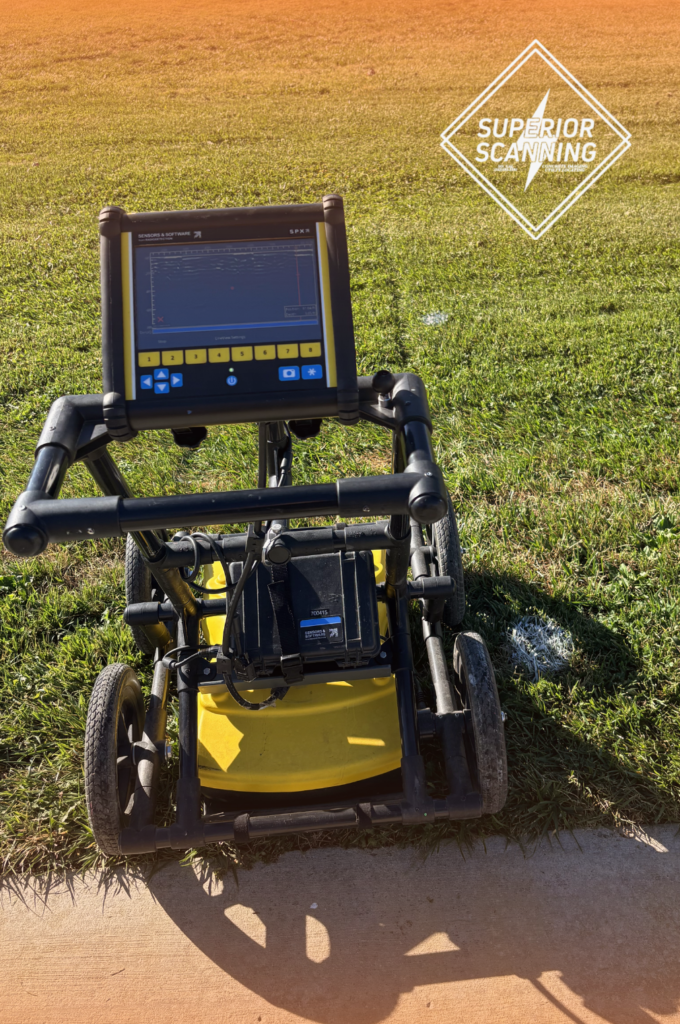
- Outdated GPR equipment that can lead to weak data or unclear slab markings
- Uncertified technicians who may struggle to interpret scan results correctly
- Missing on-site reports that leave crews waiting for usable findings
- Rushed site inspections that overlook surface clues and jobsite context
- Hidden service fees that turn a low quote into a bigger final cost
 <
<
When Concrete Slab Scanning Is Needed
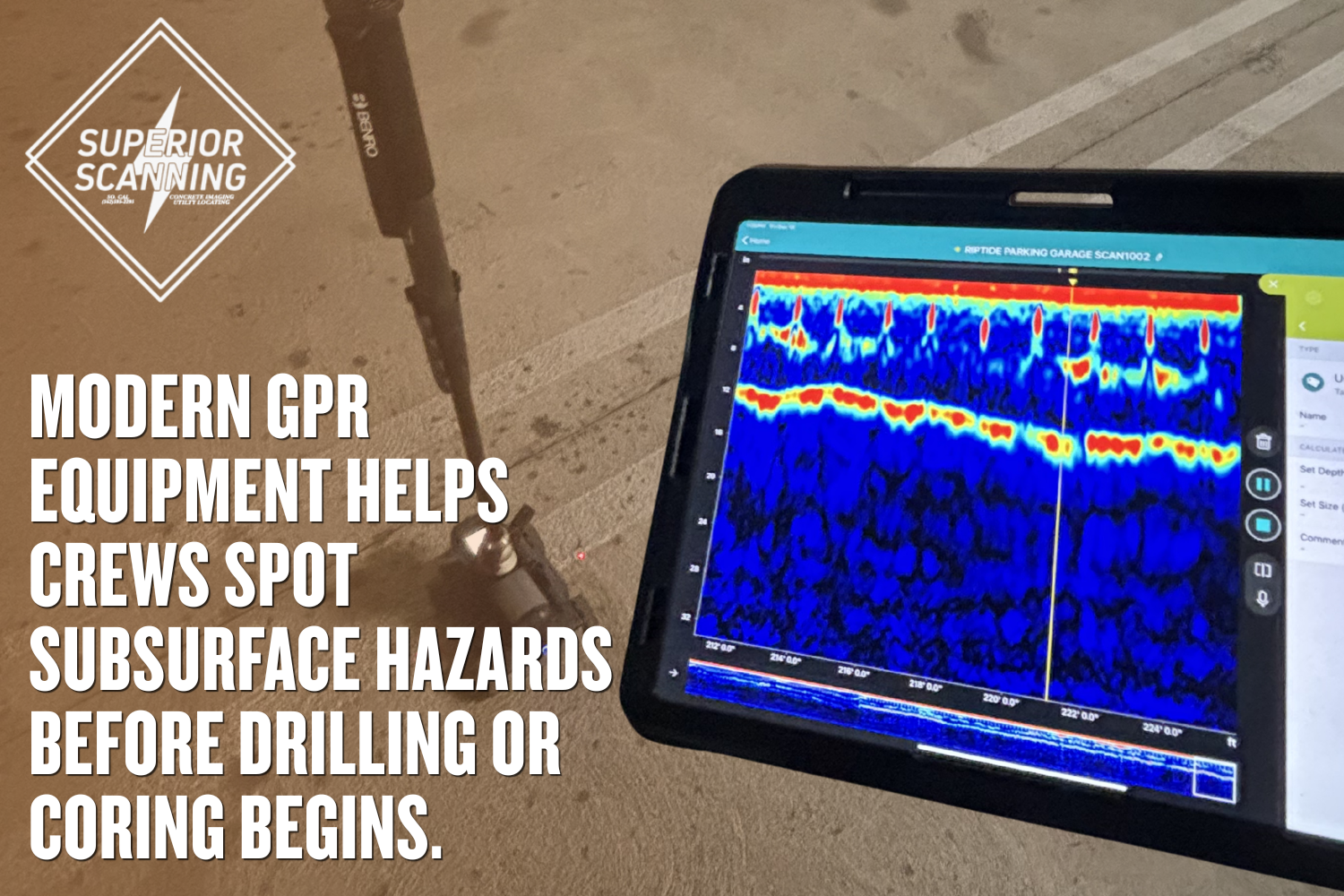
Concrete slab scanning is commonly used before crews cut, core, drill, saw cut, anchor, trench, or modify concrete. Scanning helps identify potential conflicts such as rebar, electrical conduit, post-tension cables, voids, slab thickness changes, and other embedded objects before work begins.
- Before core drilling for plumbing, electrical, or mechanical penetrations
- Before drilling anchor points for equipment or structural supports
- Before saw cutting concrete slabs for trenches or openings
- Before cutting elevated decks, parking structures, or suspended slabs
- Before tenant improvements that require new floor penetrations
- Before renovation work in hospitals, schools, offices, hotels, or commercial buildings
Warning Signs of Inexperienced Concrete Scanning Companies
Finding a good contractor means looking well past the initial price tag. You need to dig into actual field experience, equipment condition, reporting habits, and site process. A few operational red flags can signal that a crew may not be ready for accurate concrete imaging or safe project planning. Pay close attention to these warning signs before you sign any contracts with concrete scanning companies.
1. Outdated GPR Equipment
Technology moves fast. Outdated or poorly maintained equipment can make ground penetrating radar (GPR) concrete scanning harder to interpret, especially when moisture, reinforcement, or slab conditions already limit signal clarity. Poor data quality can increase the chance of missed targets or unclear markings before cutting begins.
2. Uncertified Technicians
You do not just need someone to hold a machine. You need a trained operator who can read the data in context and explain what a scan may or may not show. Look for technicians with documented experience, relevant training, and a clear process for marking and reporting findings.
Don’t Cut, Core, or Drill Blind
SuperiorGPR is trusted on complex job sites
3. Missing On-Site Reports
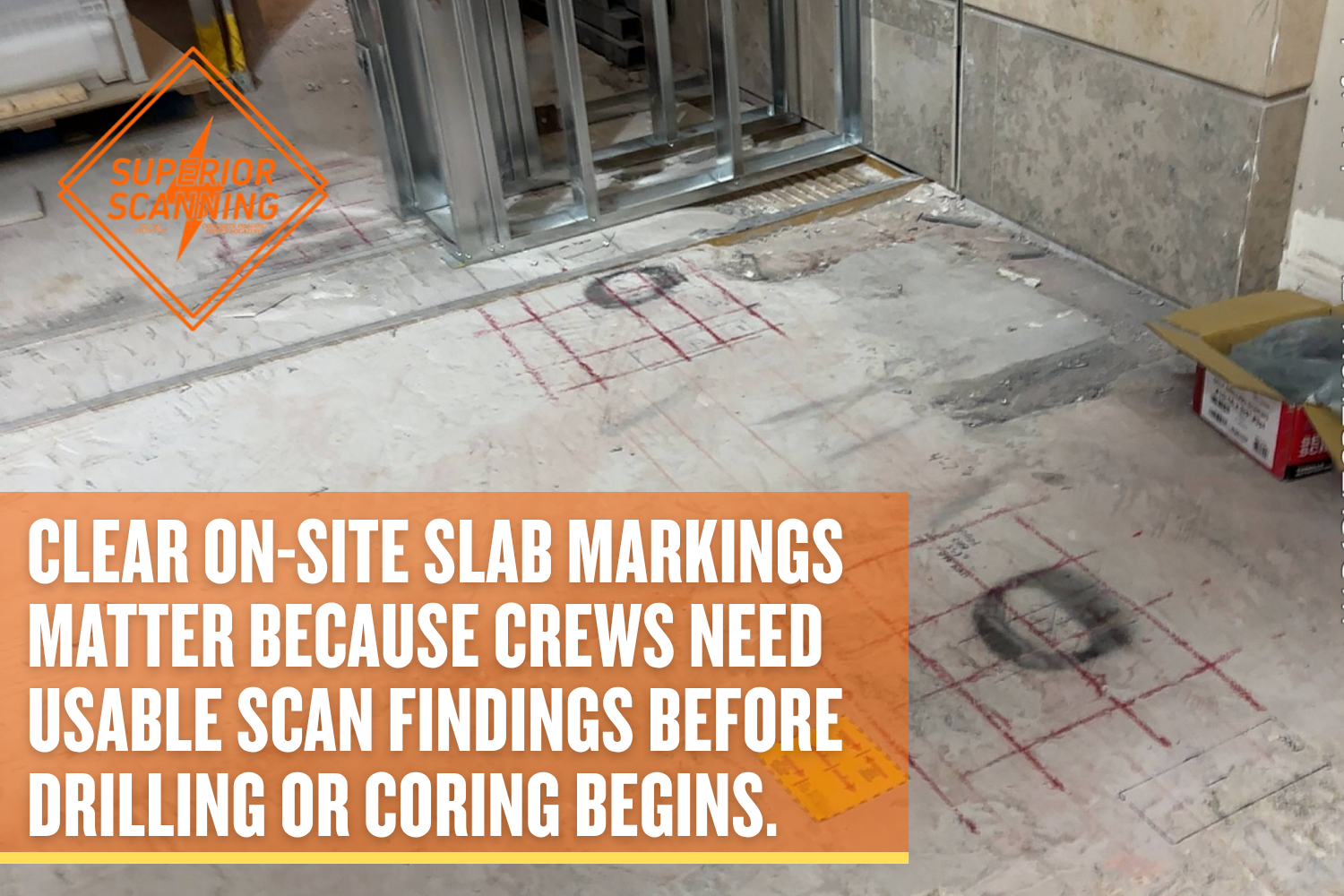
A real professional should be able to review findings on site, mark the slab clearly, and explain the next step to the crew. If a company cannot provide usable markings or prompt reporting, the project can slow down while the field team waits for direction. In many projects, clear same-day markings and readable notes help crews make safer drilling or coring decisions.
4. Rushed Site Inspections
The physical environment holds plenty of clues. A technician should take time to look for visible entries, surface clues, layout changes, and jobsite conditions before scanning starts. That visual context is a valuable part of the mapping process. Skipping the pre-scan walk-through can remove context that supports interpretation and weaken a ground-penetrating radar utility-locating plan.
5. Hidden Service Fees
We have all seen quotes that look too good to be true. Usually, they are. Some companies start with a low estimate and add charges later, so clear pricing matters before work begins. You deserve a transparent and honest quote for concrete scanning before a single sensor touches the ground. Clear pricing structures show a basic commitment to professional service.
How Experts Handle Safe Utility Mapping
True professionals support safer, more consistent results through disciplined field practices. They do not rely solely on speed. Choosing the right partner means hiring a team that can work through complex subsurface conditions, clearly explain limitations, and document findings in a way the field crew can use. A reliable service provider usually follows a few core standards:
- Using current, well-maintained equipment and scan patterns that fit the slab and target conditions, including multiple scan directions when needed.
- Talking to you openly about project timelines and any limitations on the site.
- Responding promptly when scheduling is tight, without promising outcomes that no team can guarantee.
- Handing over clear field markings and readable reports as soon as the scan findings are ready.
Don’t Cut, Core, or Drill Blind
SuperiorGPR is trusted on complex job sites
Frequently Asked Questions
What affects the penetration depth of ground penetrating radar?
Several factors can affect depth and clarity. Moisture, conductive materials, slab thickness, and dense reinforcement can all reduce penetration or make interpretation harder.
Can GPR detect plastic pipes and conduits?
GPR can detect many metallic and non-metallic targets, including some plastic pipes or conduits. Results depend on depth, surrounding material, moisture, and the contrast between the target and the surrounding material.
What are the differences between concrete scanning and X-ray?
The differences are significant. Many GPR concrete-scanning services can scan from one side of a slab and provide immediate field feedback, whereas radiographic methods typically require radiation controls and more restrictive access requirements. The right method depends on the slab, target type, and project conditions.
How long does a typical concrete scan take?
Scan time varies by slab size, congestion, access, and reporting needs. Small routine areas may be completed in a few hours, while more complex layouts can take longer.
Why is utility locating crucial before drilling?
Drilling or coring without locating embedded hazards increases the chance of striking rebar, post-tension cables, conduit, or other buried features. Proper ground penetrating radar utility locating helps crews plan cuts with better information before work begins.
Secure Your Job Site With Expert Subsurface Mapping
Ignoring warning signs when hiring a scanning provider can increase risk, cost, and project delays. Paying attention to equipment, technician skill, reporting, and pricing increases your chances of getting usable data and clear field guidance.
Superior Scanning provides concrete scanning and imaging services for teams that need clearer subsurface information before cutting or coring begins. Contact Superior Scanning today to schedule your next inspection.
