
Conduit Scanning in Concrete Before Drilling, Coring, and Cutting
Before you begin any intrusive work on a jobsite, identifying what is hidden beneath the surface is the only way to ensure safety. Conduit scanning in concrete is a critical service used before drilling, coring, or cutting to prevent accidental strikes. Hitting a conduit can lead to severe safety issues, immediate power disruptions, expensive repairs, and significant project delays.
By utilizing GPR (ground-penetrating radar), we provide a non-destructive look at the slab or wall. Conduit scanning in concrete is one of the most common applications of concrete scanning before drilling or cutting begins. Our goal is to help you locate conduit before cutting, reduce your strike risk, and support safer penetrations.
What Is Conduit Scanning in Concrete?
Conduit scanning is a specialized non-destructive process used to detect and map the paths of protective tubes (conduits) that house electrical, data, or communication lines. It is a specific application of broader concrete scanning services. Because conduit can be deeply embedded in slabs, walls, decks, and other structural concrete, it is rarely visible to the naked eye. We provide the “X-ray vision” needed to work safely around these hidden systems.
Why Conduit Scanning Is Used
- Avoid Strikes: Helps avoid drilling or cutting into hidden power or data lines.
- Plan Penetrations: Supports safer layout decisions for new core holes or trenches.
- Eliminate Guesswork: Reduces the uncertainty that often leads to jobsite accidents and rework.
Where Conduit Is Commonly Found
It is common to find electrical conduit in concrete slab construction, especially in commercial and industrial buildings. We also frequently locate electrical conduit in concrete wall structures during retrofits. Whether it is an electrical conduit in concrete or data lines in a parking structure, older buildings often have undocumented conditions that necessitate scanning.
How Concrete Scanning GPR Helps Locate Conduit
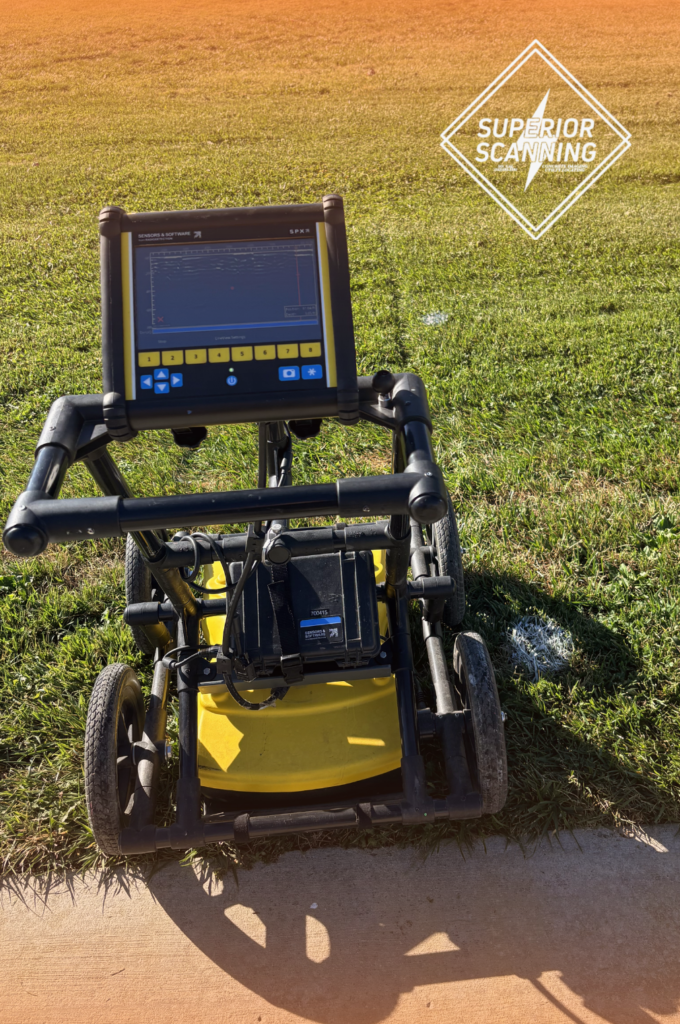
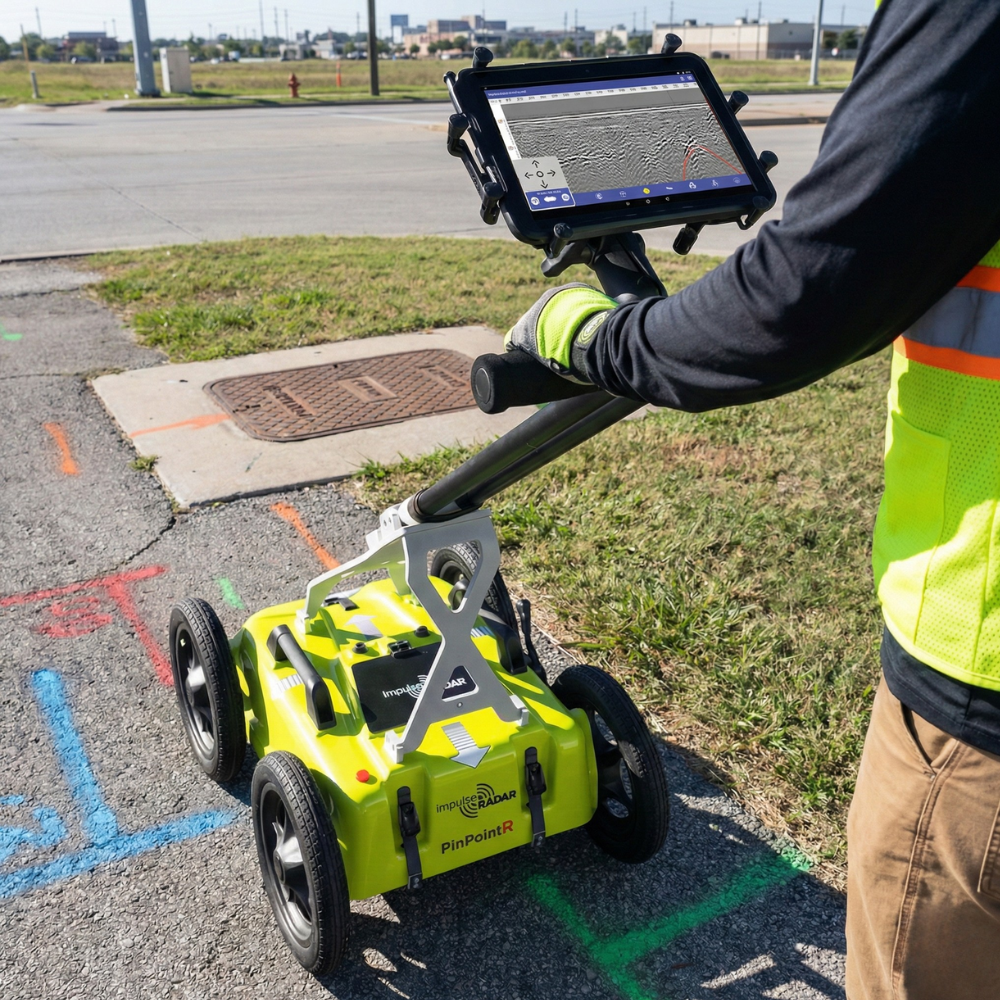
Ground penetrating radar is the industry standard for identifying subsurface obstructions. We use GPR to thoroughly evaluate the concrete before your work begins. By sending radar pulses into the material, we can identify and mark the likely paths of embedded conduit for your field crew.
How the Scanning Process Works On Site
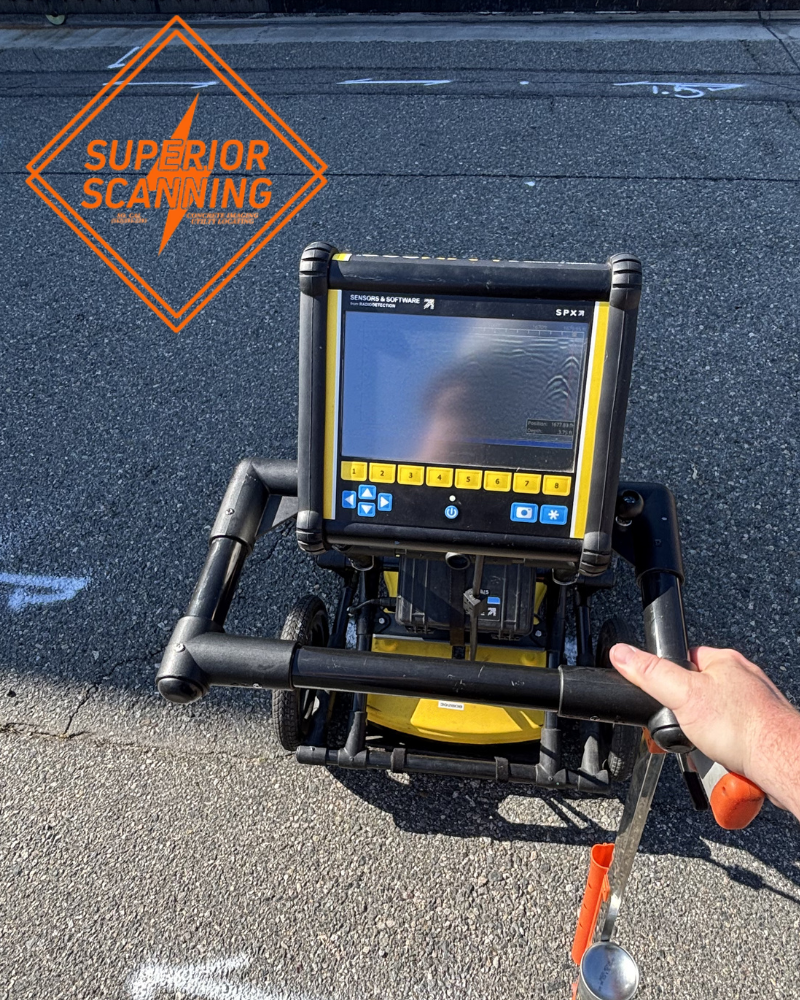
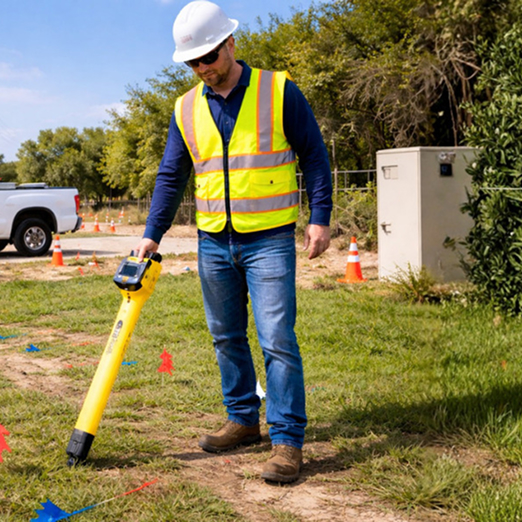
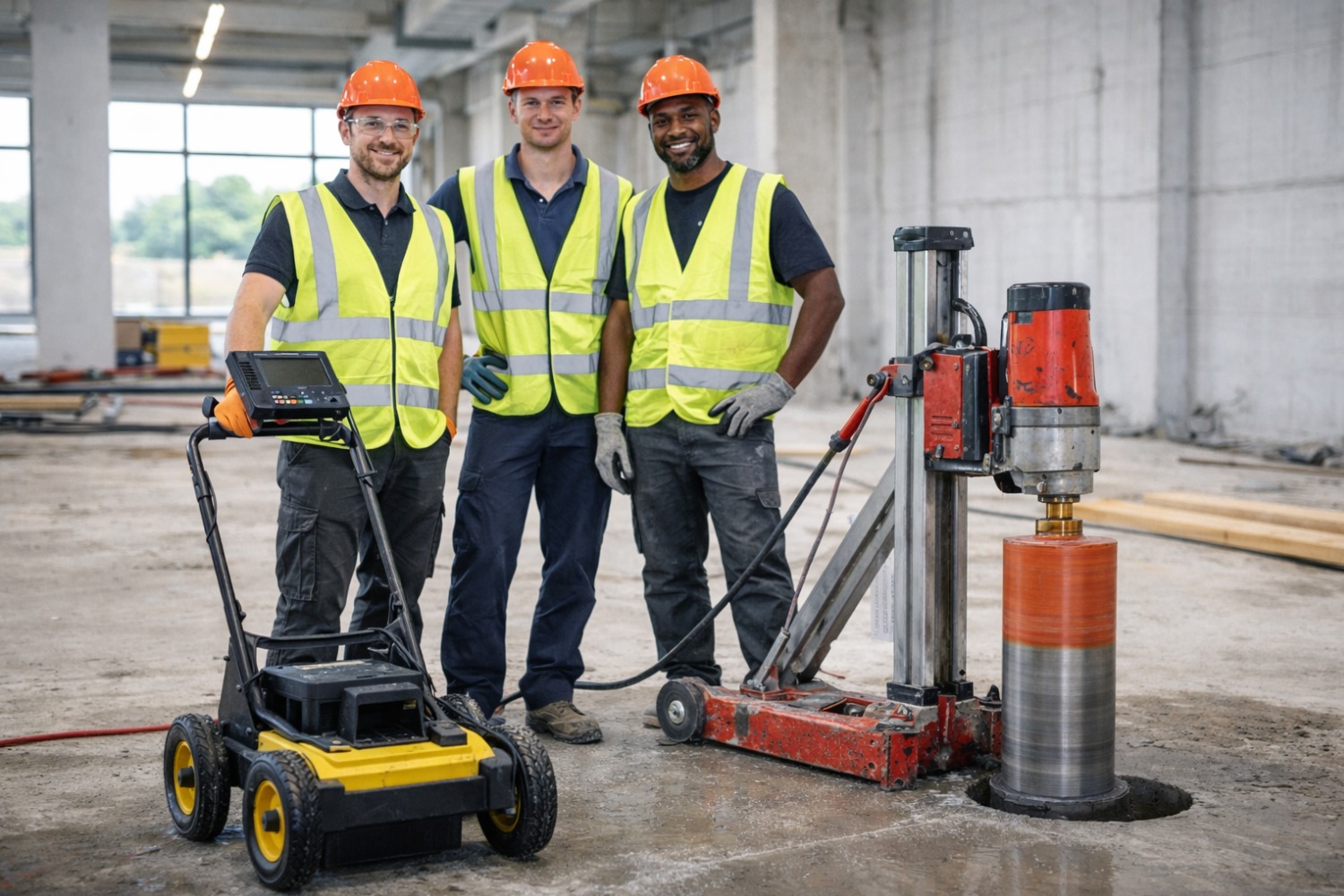
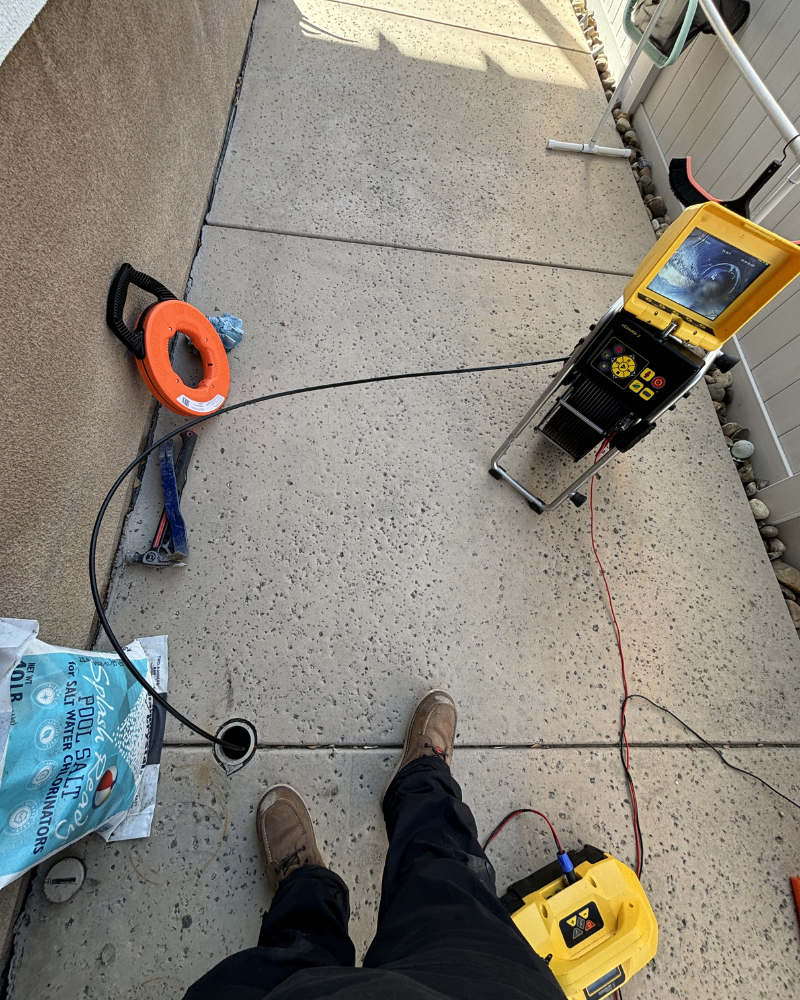
A trained technician scans the target area using high-resolution GPR equipment. As the radar detects changes in the material, likely embedded items are identified in real-time. We then place clear, accurate markings directly on the slab or wall. Your crew uses those markings to plan safer drilling or cutting paths, effectively bypassing the hazards.
Why GPR Is Commonly Used for Conduit Scanning
When you need to scan concrete, GPR is the most practical choice because it is safe, fast, and does not require access to both sides of the slab. It is an essential part of modern concrete scanning and imaging, providing the real-world field decisions necessary for coring, cutting, anchoring, or renovation work.
Why Conduit Scanning is Important Before Concrete Work
Proactively identifying subsurface hazards is the most effective way to maintain project momentum while protecting the building’s structural integrity.

Helps Reduce the Risk of Hitting Embedded Conduit
Conduit often carries high-voltage electrical lines or critical communication systems. Striking these lines can create life-threatening safety hazards and major operational shutdowns. Locating them first is the best way to support a safer work environment.
Helps Prevent Delays, Repairs, and Rework
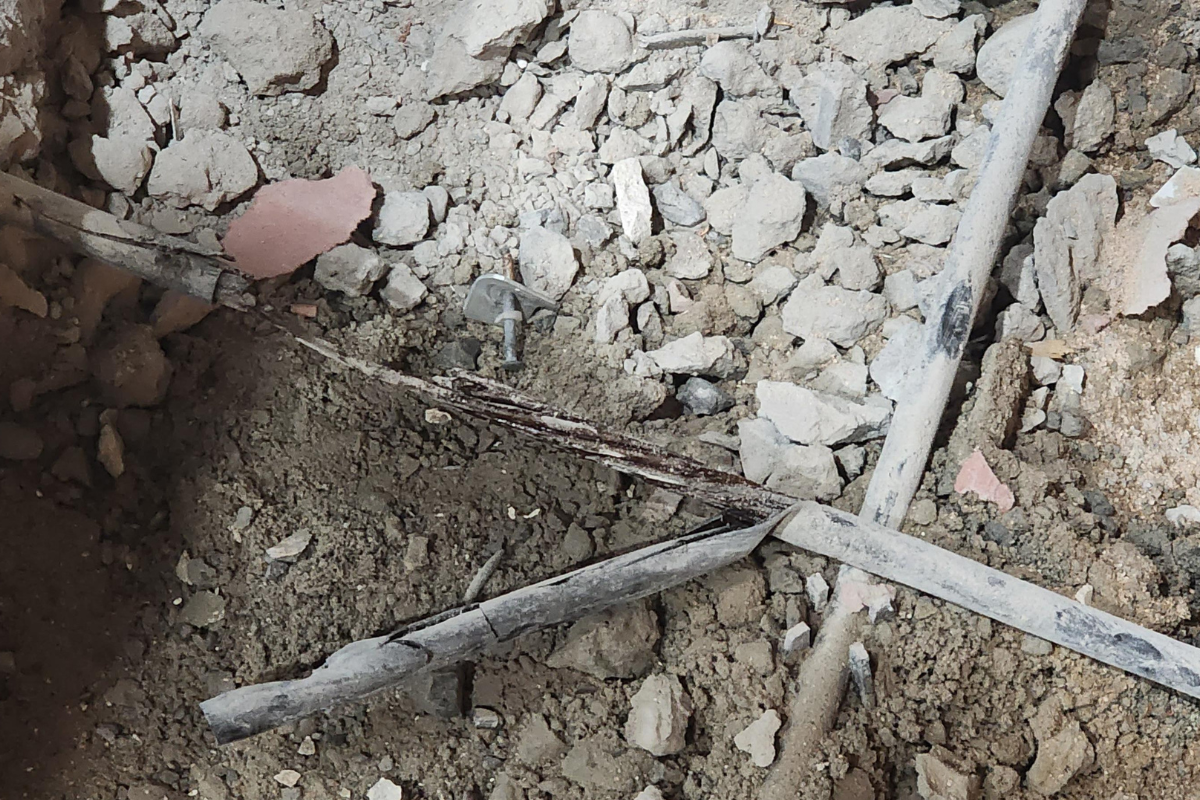
An unexpected conduit hit can bring a project to a screeching halt. The subsequent repairs, rerouting, and structural patching add immense costs and schedule problems. Scanning allows your crew to plan around existing paths, keeping the project moving.
Supports More Accurate Drilling and Cutting Decisions
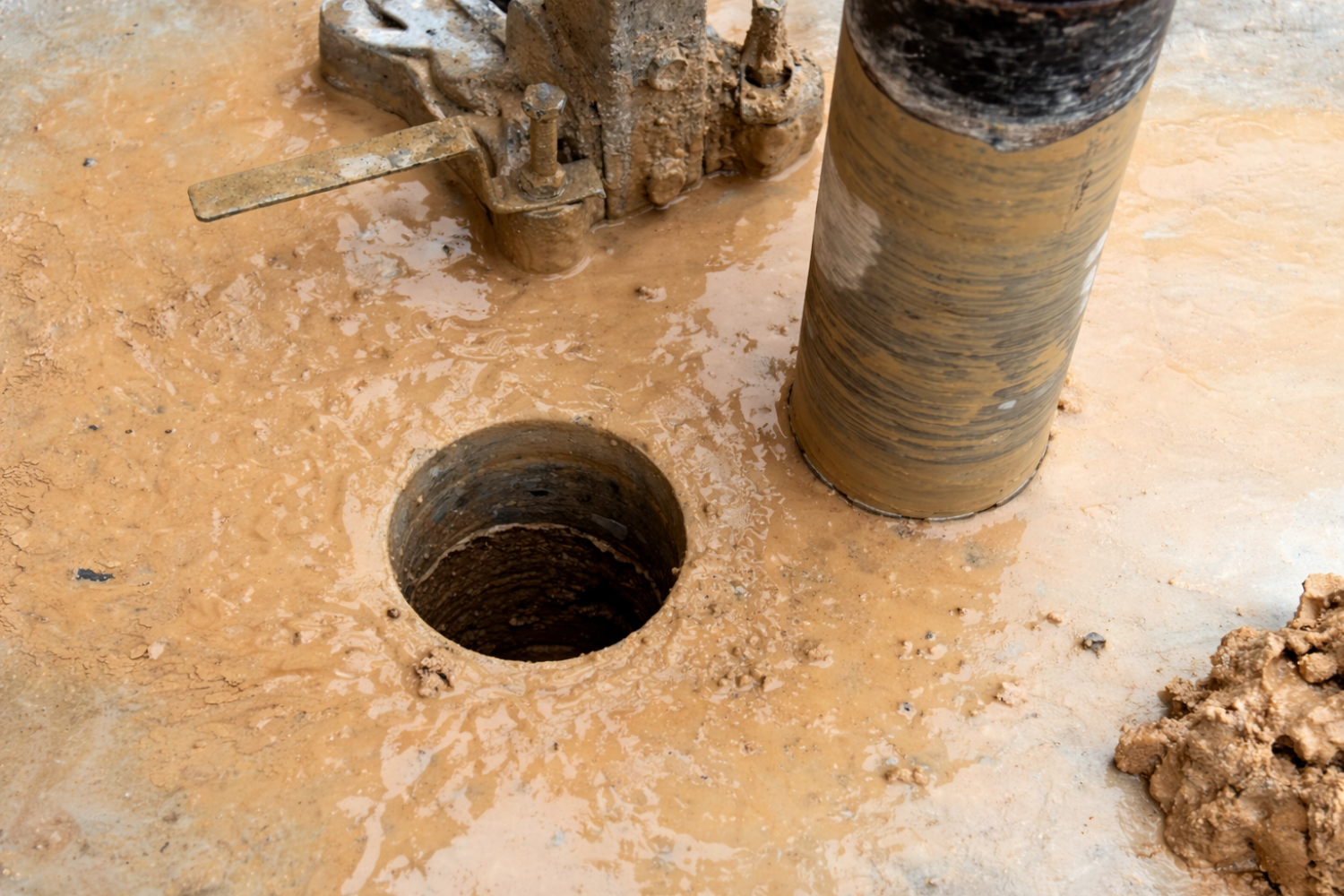
Knowing exactly where the “no-go” zones are allows for better penetration planning. It improves coordination between trades, such as plumbers and electricians, and ensures that new installations don’t compromise existing infrastructure.
When You Should Schedule Conduit Scanning in Concrete
Conduit conflicts are a major concern before coring. Scanning helps identify safer core locations, which is common for MEP (mechanical, electrical, plumbing) penetrations and commercial retrofit work.
Before Core Drilling
Saw cuts and trench paths frequently cross-conduit routes. Scanning helps crews plan their cuts with better field information, preventing a long trenching project from becoming a major utility repair.
Before Saw Cutting or Trenching in Slab
Before Anchoring or Installing Equipment
Anchors, rails, bolts, and heavy equipment bases often require drilling several inches into the concrete. Conduit scanning helps reduce conflicts before installation, so you don’t hit a line while securing a rack or machine.
Before Renovation, Demo, or Tenant Improvements
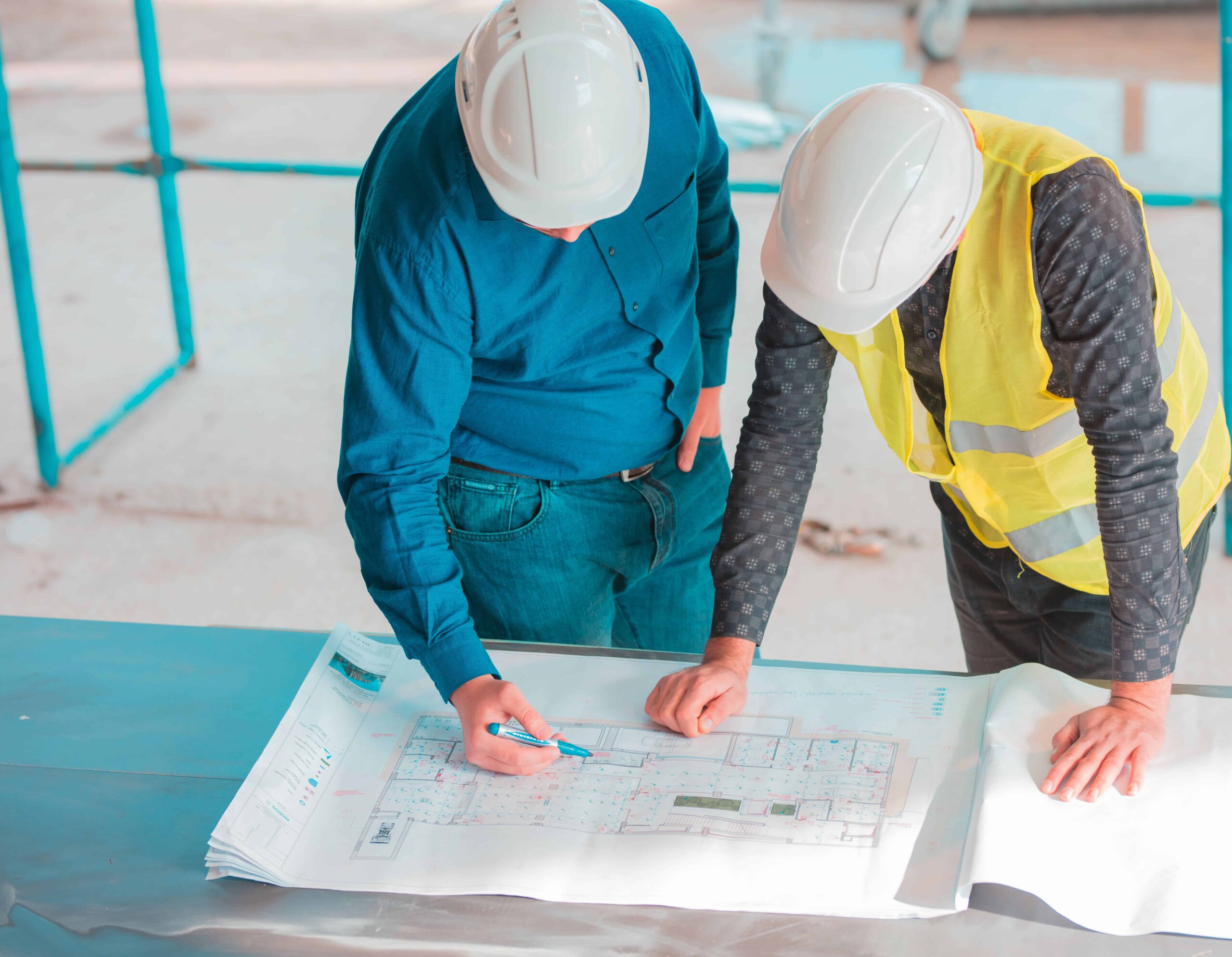
Remodels often involve unknown slab and wall conditions. When blueprints are missing or inaccurate, scanning verifies hidden conduit before the first hammer falls.
Common Conduit Conditions in Concrete Slabs and Walls
Electrical conduit in concrete slab is a primary concern for projects involving floor penetrations or trenching in commercial spaces.
Who Uses Conduit Scanning Services
Electrical conduit in concrete wall is critical for wall-mounted equipment, new doorways, or anchoring structural supports where visual judgment is impossible.
Contractors and Trades
Unknown or undocumented embedded conduit is a major concern in older buildings or modified sites where original records no longer match actual field conditions.
Engineers, Facility Teams, and Property Stakeholders
From onsite trades to project stakeholders, conduit scanning provides the critical data needed to protect infrastructure and maintain jobsite safety.
Why Choose Superior Scanning for Conduit Scanning in Concrete
General contractors, core drilling contractors, and saw cutting contractors rely on us to ensure their safety. Additionally, electricians, plumbers, and mechanical contractors use scanning to plan their own rough-ins without damaging existing systems.
Clear, Jobsite-Ready Markings
Engineers, facility managers, and building owners use our services to protect the structural and operational integrity of their assets during tenant improvements and upgrades.
Responsive Scheduling for Time-Sensitive Work
Superior Scanning provides the field-tested expertise and rapid response times necessary to keep Southern California’s most demanding construction projects moving safely.
Experience With Concrete Scanning Applications
Superior Scanning provides markings that crews can use immediately rather than just delivering a static report. This practical field guidance is designed for active, fast-paced jobsites and occupied buildings where immediate clarity is required.

Conduit Scanning Service Areas
Superior Scanning understands that conduit scanning is often requested at the last minute. The team offers responsive scheduling to support tight project timelines and prevent costly downtime for field crews.
Areas We Serve
The technicians at Superior Scanning have extensive experience supporting coring, cutting, drilling, and renovation work. The company coordinates seamlessly with project teams to ensure clear, field-focused communication from start to finish.
Looking for Conduit Scanning Near You?
Superior Scanning provides reliable answers directly at your jobsite across Southern California.
Need Broader Slab or Wall Evaluation?
If you need conduit scanning near you, our team is ready to help. Call or request a quote today to keep your project moving safely. Need broader slab or wall evaluation before intrusive work starts? Learn more about our GPR concrete scanning services.
Request Conduit Scanning in Concrete
Common questions we hear before drilling, coring, cutting, and anchoring in conduit-heavy slabs and walls.
Schedule Service or Request a Quote
Protect your equipment, your crew, and your project timeline by identifying hazards before you break the surface. Our team at Superior Scanning provides the precision you need to move forward with confidence, ensuring that hidden electrical lines and utilities do not become costly obstacles.
Need Broader Slab or Wall Evaluation?
If your drilling, coring, or cutting is scheduled soon, the time to scan is now. Call now or request a quote to get started. Send us your project location and scope, and we will help you stay on schedule and safe.
Conduit Scanning Service Areas
Need broader slab or wall evaluation before intrusive work starts? Learn more about our GPR concrete scanning services.
Areas We Serve
Call now or request a quote to get started. Send us your project location and scope, and we will help you stay on schedule and safe.
- Los Angeles
- Orange County
- Riverside
- San Diego
- Surrounding Southern California areas
Looking for Conduit Scanning Near You?
If you need conduit scanning near you, our team is ready to help. Call or request a quote today to keep your project moving safely. Need broader slab or wall evaluation before intrusive work starts? Learn more about our GPR concrete scanning services.
Frequently Asked Questions About Conduit Scanning in Concrete
What is conduit scanning in concrete?
It is a non-destructive method that uses GPR to locate and map buried electrical or utility pipes within concrete structures.
Can concrete scanning help locate an electrical conduit?
Yes, detecting electrical conduit in concrete is one of the primary reasons contractors request our services.
Can you scan concrete slabs and walls for the presence of conduit?
Absolutely. We provide scanning for both horizontal slabs and vertical wall structures.
Do I need to scan the conduit before core drilling or saw cutting?
Yes. These are high-risk activities where a conduit strike can cause power outages, equipment damage, or injury.
Why is conduit scanning important before drilling into concrete?
It drastically reduces the risk of utility strikes, avoids expensive repairs, and prevents project delays.
Do you provide conduit scanning near me?
Yes, we serve all of Southern California, including LA, OC, Riverside, and San Diego.
Request Conduit Scanning in Concrete
If your drilling, coring, or cutting is scheduled soon, the time to scan is now. Call now or request a quote to get started. Send us your project location and scope, and we will help you stay on schedule and safe.
Need broader slab or wall evaluation before intrusive work starts? Learn more about our GPR concrete scanning services.
