


A camera for plumbing can show some pipe surfaces through clear standing water, but murky wastewater or a solid clog can block the view. Cloudy water can hide parts of the pipe, so hidden damage may still need further checks.
If pipe conditions could affect planned repairs or excavation, talk with Superior Scanning about closed-circuit television (CCTV) pipe inspection and sewer locating before choosing the next step. Property owners can choose the next step once the report separates visible problems from pipe sections the camera could not inspect.
Key Takeaways
- Waterproof construction protects the camera head; it does not guarantee a clear underwater image.
- Never force a camera for plumbing through a clog or use it to clear debris.
- A stopped sewer camera does not prove pipe collapse; document every section that remains unseen.
- Have a qualified plumber assess clearing, then reinspect when passage and visibility improve.
- Locating tracks the camera’s transmitter; depth readings are estimates and should not set digging depth.
Can a Sewer Camera See Through Standing Water?
A sewer camera may show nearby surfaces in clear standing water, but cloudy wastewater can hide the pipe walls. A working camera does not always produce footage that supports a full assessment.
How Well Can a Sewer Camera See in Clear Water?
A camera head rated for submersion can operate underwater within the manufacturer's limits. Waterproof construction protects the equipment, while water clarity and lighting affect the image.
Even in clear water, lens grease can blur nearby joints or cracks. Ask whether the technician could see the pipe walls throughout the submerged section.
Why Can't a Sewer Camera See Through Murky Water?
Murky water obscures details because suspended sediment and waste interfere with light. According to the U.S. Geological Survey (USGS), particles scatter light and can make water cloudy or opaque.
This scattering helps explain why brighter camera lights may create glare near the lens instead of revealing defects farther away. The technician cannot fully assess a pipe section hidden by cloudy water, even if the camera travels through it.

Can a Snake Camera for Plumbing Pass Blockages?
A snake camera for plumbing may pass a partial blockage if enough space remains, but it cannot see through a solid clog. A complete obstruction can stop the camera head before the technician reaches the rest of the pipe.
What Can a Snake Camera Show at the Front of a Clog?
A clear view of the clog's front edge may reveal roots, grease, or other debris. The technician can document what they see, though the footage may not show the clog's full length.
Why Can't a Snake Camera See Beyond an Obstruction?
An inspection camera records images; a drain-cleaning auger cuts or breaks up suitable obstructions. A flexible cable does not turn the camera into a cleaning tool.
RIDGID warns that obstructions can damage or trap a SeeSnake camera and advises against using the camera to clear them. A stopped camera alone does not prove that the pipe has collapsed.
What Limits a Camera for Plumbing Pipes?
A plumbing pipe camera can record only the areas it can reach and see clearly. According to a U.S. Environmental Protection Agency (EPA) research report, image quality, lighting, and obstructions can limit push cameras. Several conditions can limit the inspection:
- Dirty lenses: Grease or residue blurs the image. The lens may need cleaning.
- Cloudy water: Suspended waste hides pipe surfaces. Lower water levels may improve visibility.
- Restricted passage: Tight bends or offset joints stop progress. Heavy buildup can also block the head.
- Equipment and access limits: Camera diameter and cable reach restrict coverage. The entry point must also fit.
Ask these questions before booking so the report states where filming began and stopped. It should identify every pipe section that remains unseen.
When Should a Sewer Inspection Camera Be Used?
A sewer inspection camera can document reachable pipe conditions before cleaning, but a useful view may require clearing first. The technician should choose the order based on water level and the obstruction. The inspection sequence should match the pipe's condition:
- Confirm access: Review recurring backups or slow drainage. Identify a suitable cleanout or another safe entry point.
- Inspect reachable sections: Record visible pipe walls when the camera can pass. Note where water or debris blocks the view.
- Assess clearing: Have a qualified plumbing professional evaluate pipe condition. Choose a cleaning method that suits the pipe material and damage.
- Reinspect: Check the pipe after conditions improve. Record remaining limits and compare the footage with the first inspection.
Inspection documents visible conditions, while drain clearing removes material that restricts flow. A camera cannot perform both jobs.

How Can a Plumbing Camera Help Locate Pipes?
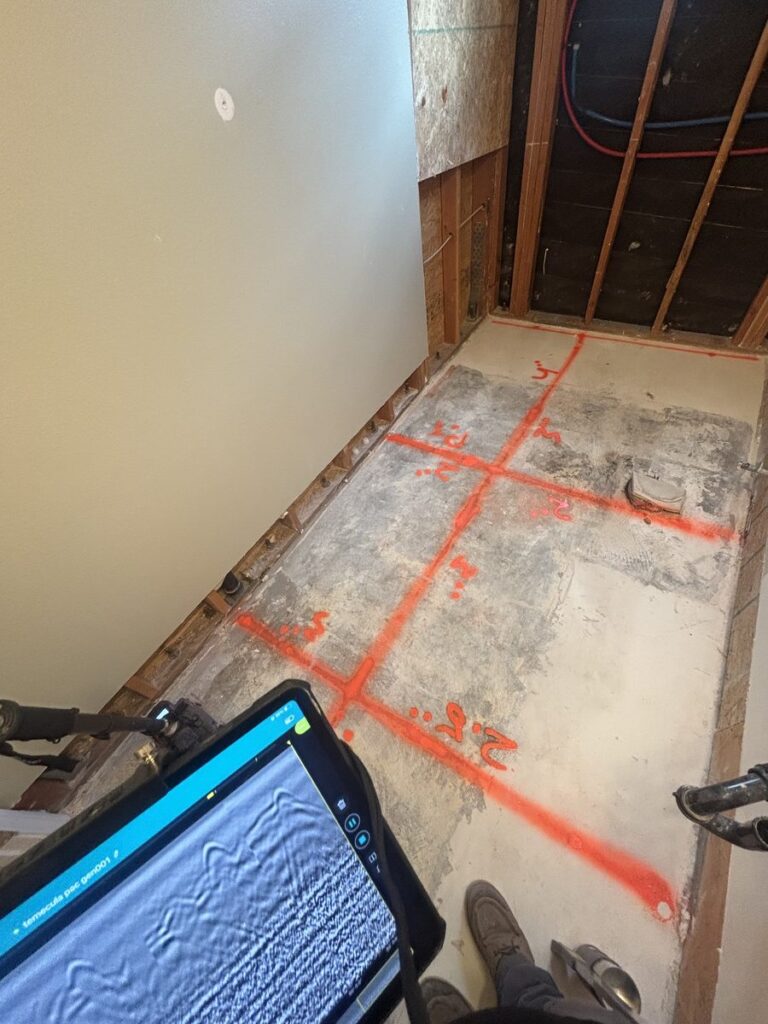
A plumbing camera with a small transmitter, called a sonde, can help locate accessible pipe sections from the surface. The receiver detects the transmitter's signal separately from the video.
A Detectable Camera Head
The sonde may remain detectable when the picture is cloudy. A blockage still limits how far the head can travel.
Surface Markings and Depth Estimates
A private utility locating technician can mark detected points and estimate the sonde's depth. The top of the pipe may be shallower, so these readings shouldn't determine digging depth.
Locating the head does not reveal hidden defects. It also cannot confirm the route beyond the camera's reach.
Frequently Asked Questions
Visible cracks or water entry may suggest leakage, but a sewer camera cannot confirm every leak.
Cable length, bends, access, and obstructions determine how far a sewer camera can travel.
Inspection cost depends on pipe length, access, locating, and report scope; request an itemized quote for the property.
An initial inspection can guide cleaning, while debris that blocks passage or visibility may require clearing first.
Standing water can result from a low spot (a belly) or a downstream blockage.
Need a Clearer View?
A useful plumbing camera report separates visible problems from pipe sections the camera could not inspect. Ask what was seen and whether clearing or another inspection is needed. For projects in Los Angeles, Orange, Riverside, or San Diego County, discuss CCTV inspection or sewer locating with Superior Scanning before planning repairs or excavation.


