
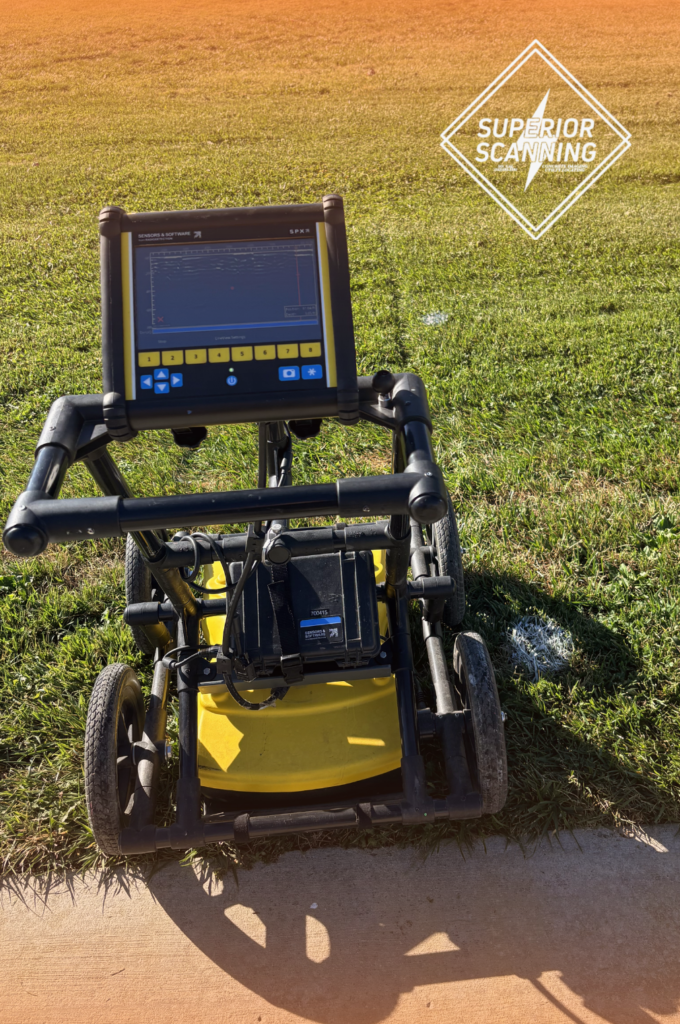
Not every camera crew leaves you better off than before the call. Some rush the run, skip the report, or never mark where the problem sits. When you pay for a sewer video inspection near you, you should walk away with clear footage, plain findings, and a spot you can dig to.
A few sharp questions before booking sort the solid providers from the rushed ones. Superior Scanning covers Southern California with clear reporting and fast scheduling, and the checklist below shows what to look for.
Table of Contents
Don’t Cut, Core, or Drill Blind
Superior Scanning is trusted on complex job sites
What Is a Sewer Video Inspection?
A sewer video inspection is a real-time camera run through a sewer line, saved as video for later use. A technician watches the feed live while the footage records for later review. Two parts make it useful.
A Live Video Feed
The camera streams live video as it moves down the line. A technician watches the pipe wall and joints in real time. Any crack, root, or clog shows up on the screen as the camera passes it.
A Record for Repairs
The run saves as a video file you can keep. That footage guides the next step, whether a repair, a quote, or a second opinion. A crew coming to fix the line knows what waits before breaking ground.
What Should You Ask Before Booking?
Before booking, ask questions that reveal whether a crew does the full job or a rushed version. The right questions separate a solid provider from a rushed one. Bring these questions to every call:
- Are the crews licensed and insured?
Why: Proper coverage protects your site from liability if a pipe is damaged or an accident happens on the job. - Does the price include the recording and a report?
Why: Raw footage alone isn’t enough. You need the actual video file and a written breakdown to hand over to a repair crew for an accurate quote. - Can the exact problem spot be located?
Why: Spotting a crack on a screen is useless if the crew can’t tell you where it is underground. Pinpointing the exact spot prevents costly, destructive guesswork when digging. - What does the quoted price cover?
Why: Asking this upfront catches hidden fees for travel time, extra pipe length, or surprise upcharges for the video file itself. - How soon can a crew come out?
Why: Sewer issues don’t wait. You need to know if a crew can arrive before a slow drain turns into a full-blown backup. - Do you handle commercial and facility sites?
Why: Commercial lines are larger, more complex, and carry stricter site and insurance requirements than a standard residential run.
How Do You Choose a Provider in Your Area?
Choosing a provider near you comes down to a few traits worth the booking. Local crews respond faster, clear reports save headaches, and proper insurance keeps a job site covered. Look for the marks below.
Local Coverage and Fast Scheduling
Local coverage means a crew close enough to arrive quickly. A provider that works in your area can often come out the next day or within the week. Fast scheduling matters most when a line is already backing up.
Clear Reporting and Documentation
Clear reporting turns raw footage into findings a non-plumber can follow. A good report names the problem, marks where it sits, and points to a fix. Video plus plain notes beats a screen full of jargon.
Proper Insurance for the Site
Proper insurance keeps a commercial site protected. Major job sites often require general liability and professional coverage before a crew can work. A provider that carries both can step onto the site without holding up the schedule.

What Should the Inspection Include?
A good sewer video inspection includes more than a quick peek down the pipe. It runs the whole accessible line, hands back plain findings, and marks any spot that needs repair. Here is what to expect from a full visit.
A Full Camera Pass
A full camera pass runs the entire accessible line, not just the first few feet. A partial run can miss the real fault farther down. The camera should travel as far as the pipe allows.
Findings You Can Act On
Findings should come back in plain language you can use. A clear result names the issue and what it means for the line. Skip the crews that hand over footage with no explanation.
Location Marking When Needed
Location marking pins the exact spot of a problem for repair. A locator marks the point and depth on the surface. That mark saves a dig from turning into a guessing game.
Don’t Cut, Core, or Drill Blind
Superior Scanning is trusted on complex job sites
Frequently Asked Questions
How much does a sewer video inspection cost?
Most standard residential scans run about $150 to $500, with commercial and hard-access jobs quoted by scope.
How long does a sewer video inspection take?
Most take 30 minutes to an hour, depending on line length and condition.
Can a sewer video inspection be watched live?
Yes, the camera streams a live feed you can watch as it runs the line.
Does a copy of the inspection video come with the service?
It should, so confirm before booking that the recording and a report are included.
Is a sewer video inspection worth it?
Yes, a small scan can catch a buried problem before it turns into a major repair.
Who Should You Call for the Job?
The right crew for a sewer video inspection near you checks every box: licensed, insured, fast to schedule, and clear in the report. Ask the questions up front, and the choice gets easy.
Superior Scanning covers Southern California with plain reporting, proper coverage, and quick availability. Skip the gamble on a rushed crew.
Check availability or request a quote from Superior Scanning today.
