
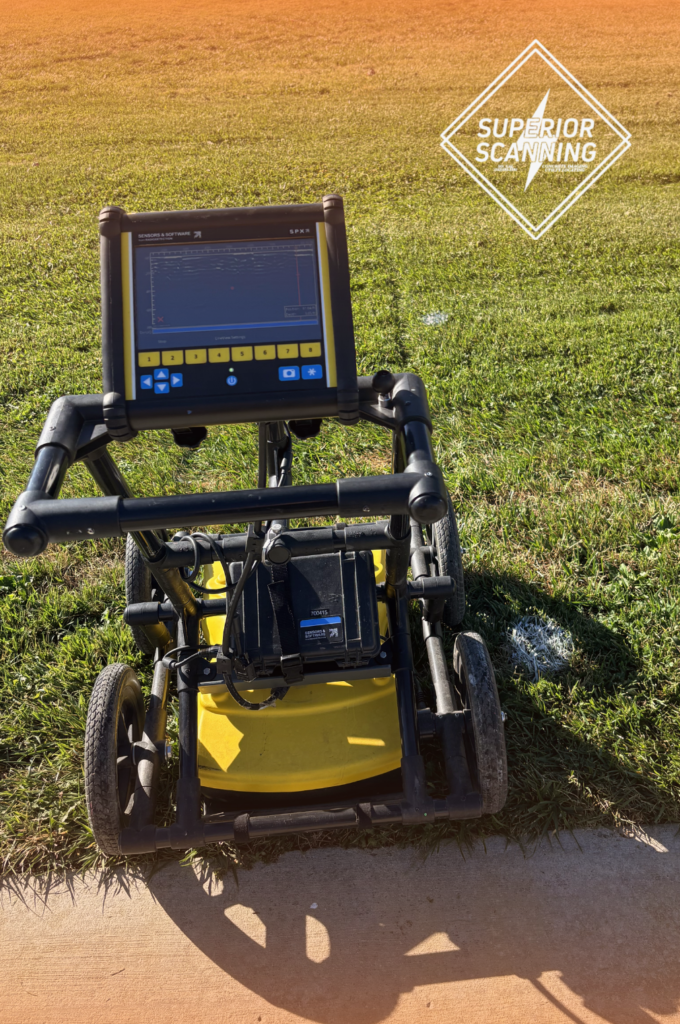
Trying to fit a sewer inspection around a property evaluation, repair, or construction schedule? A typical residential sewer scope takes under an hour, although access, pipe length, and internal conditions can extend the visit. A sewer scope camera gives technicians a live view of accessible sewer lines.
Superior Scanning provides closed-circuit television (CCTV) pipe inspection for residential, commercial, construction, and facility projects across Southern California. When timing matters, defining the sewer scope inspection in advance helps the work fit smoothly into your project schedule.
Table of Contents
Don’t Cut, Core, or Drill Blind
Superior Scanning is trusted on complex job sites
What Determines How Long a Sewer Scope Takes?
The time needed for a sewer scope depends more on the pipe system and site conditions than on one fixed appointment length. A single accessible lateral may move quickly, while difficult access, long runs, or several lines can keep the technician on site longer.
Access to the Sewer Line
Good access can shorten setup time because the technician can begin the sewer inspection through a cleanout, manhole, drain opening, or accessible pipe end. A damaged, buried, blocked, or unavailable entry point can delay the work or limit how much of the system the technician can view.
Superior Scanning lists camera access and damaged entry points among the conditions that may restrict a CCTV inspection.
Pipe Length and Layout
Longer pipe runs take more time to inspect because the camera must travel farther while the technician watches the footage. Branches, sharp bends, changes in direction, and multiple sewer laterals can also add time.
A commercial pipe inspection may therefore involve considerably more camera travel than a typical residential sewer lateral inspection.
Conditions Inside the Pipe
Roots, grease, sediment, debris, standing water, tight bends, and obstructions can slow a plumbing camera inspection. Some conditions reduce visibility, while a complete blockage may prevent the camera from moving farther into the line.
Number of Lines Inspected
One accessible lateral usually requires less field time than several drains or sewer lines. If a property has multiple laterals, branches, or separate pipeline sections, each additional run adds setup, camera travel, and review time.

Where Does the Inspection Time Go?
A sewer scope appointment includes more than pushing a camera into a pipe. Time is spent finding the correct access point, running the camera, reviewing unusual conditions, and completing any requested documentation or locating work.
Site Setup and Access
The technician first confirms which pipe needs inspection and identifies a suitable entry point. The technician then positions the camera equipment so the line can be entered safely and the footage can be viewed from the surface.
Camera Run
During a sewer pipe inspection, a waterproof camera moves through the accessible section of the pipe while the technician watches the live feed. Superior Scanning uses CCTV equipment to document visible connections, obstructions, pipe conditions, and defects such as cracks, root intrusion, corrosion, offsets, and damaged joints.
A longer sewer line camera inspection naturally takes more time when the camera must travel through an extended pipe run.
Findings and Documentation
An unusual joint, blarea of damageection, or damaged area may require a slower camera pass or a second look. Sewer camera inspection services may also include recorded video or project reporting, depending on the requested scope.
Optional Sewer Locating
If sewer locating services are included, a camera equipped with a detectable sonde can be traced from the surface. The technician may use that signal to mark an approximate pipe route or the location of a visible obstruction or defect.
Don’t Cut, Core, or Drill Blind
Superior Scanning is trusted on complex job sites
What Can Make a Sewer Line Camera Inspection Take Longer?
Several site and pipe conditions can add time to a sewer scope inspection:
- No accessible cleanout, manhole, or suitable pipe opening
- A long or complicated sewer run
- Multiple laterals or branch connections
- Heavy root intrusion
- Grease, sediment, or debris inside the pipe
- Standing water that limits camera visibility
- Tight bends or changes in pipe diameter
- A blockage that prevents the camera from advancing
- Commercial or industrial systems with several inspection points
More time on site does not automatically mean the sewer line has a serious defect. Access, distance, pipe layout, and the number of lines can lengthen sewer scope inspections even when the camera does not reveal major damage.
Superior Scanning identifies access, long distances, severe bends, obstructions, and pipe conditions as common limitations in inspections.
Does Property Type Affect Inspection Time?
Property type can change how much pipe needs to be inspected and how many access points are involved. One residential lateral and a large facility drainage network can require very different amounts of field time.
Residential Sewer Laterals
A residential home inspection sewer scope typically focuses on the accessible sewer lateral between the building and the farthest downstream point. A standard home inspection typically does not include the same underground camera assessment unless you add a sewer scope or book it separately.
Rocket Mortgage describes sewer scoping as a specialized video inspection that goes beyond a standard home inspection.
Commercial Properties
Office buildings, retail centers, warehouses, and multifamily properties may have several laterals, branch lines, or connections that are not clearly documented. More lines mean more setup and camera travel, so sewer inspection services may take longer than a single residential scope.
Industrial and Facility Sites
Industrial properties and active facilities can have larger drainage networks, multiple inspection points, and more complicated access requirements. Pipe inspections may support maintenance planning, troubleshooting, construction verification, or documentation of existing conditions.
Superior Scanning provides expert CCTV pipe inspection services for residential, commercial, and industrial pipeline systems.

How Can You Help Keep the Inspection on Schedule?
Good site information can reduce avoidable setup delays, although no preparation can guarantee a fixed inspection time:
- Identify known cleanouts, manholes, and pipe access points.
- Keep the area around the access point clear.
- Provide available plumbing plans, utility drawings, or previous reports.
- Explain which pipe or drainage problem needs attention.
- Mention known backups, blockages, roots, or previous repairs.
- Tell the technician if several laterals need inspection.
- Share jobsite access rules, gate requirements, or facility restrictions before the appointment.
Clear project details help the technician bring suitable equipment and understand the expected inspection scope before arriving.
What Happens After the Sewer Scope?
Finishing the camera run isn’t always the end of a sewer line inspection. The footage may need review, visible conditions can be documented, and some findings may lead to cleaning, locating, repair planning, or further testing.
Video Review
Recorded footage lets you review accessible sections of the line after the camera run. Video can also provide useful context for a contractor, a facility team, a property manager, or a broader plumbing inspection.
Documented Findings
The camera may show visible roots, obstructions, damaged joints, cracks, corrosion, standing water, unusual connections, or pipe deformation. It cannot confirm every condition hidden behind debris, deposits, standing water, or inaccessible portions of the line.
Next-Step Planning
The findings can help determine if cleaning, repair review, locating, additional testing, or another investigation makes sense. Superior Scanning notes that CCTV documents what the camera can see at the time of service and that some pipe conditions require further investigation.
Don’t Cut, Core, or Drill Blind
Superior Scanning is trusted on complex job sites
Frequently Asked Questions
How much does a sewer scope inspection cost?
Sewer scope inspection cost depends on pipe access, inspection distance, number of lines, project location, documentation, and the work requested; Superior Scanning prices CCTV projects based on scope, time on site, and travel, rather than a single universal rate.
Is a sewer scope included in a home inspection?
A standard home inspection typically does not include a dedicated underground sewer camera inspection, so a sewer scope is often booked separately or added to the inspection when available.
Does a sewer line need to be cleaned before a sewer scope?
Cleaning isn’t always required before a sewer scope, but grease, sediment, roots, debris, or standing water may block the camera’s view and require cleaning before a more thorough assessment can be completed.
Can a sewer scope be done if there is no cleanout?
A scope may still be possible without a cleanout if another suitable pipe access point is available, but the technician must first evaluate the property and pipe system, as some lines cannot be inspected safely or completely without proper access.
Can a sewer scope inspect more than one sewer line?
Yes, multiple accessible sewer lines can be inspected when the project scope and equipment allow it, but each additional lateral, branch, or pipeline section adds camera travel, setup, and review time.
Need Sewer Inspection Services Without Slowing the Project?
A typical residential sewer scope may take under an hour, but access, pipe layout, obstructions, inspection distance, and the number of lines determine the actual time on site.
Superior Scanning supports active construction and facility projects across Los Angeles, Orange, Riverside, and San Diego counties and often accommodates next-day or same-week requests, subject to availability. Same-day service may also be possible based on crew location and workload.
Request availability or a project-specific quote so we can plan the inspection around the work already on the schedule.
