
Sewer Line Locating Services Before Digging and Construction
Identify the route and approximate depth of underground sewer lines before excavation, construction, repairs, or property improvements. Our technicians use professional sewer-locating equipment to trace accessible sewer lines and mark their paths across your property. Whether you are managing a major commercial facility or preparing for a residential remodel, knowing exactly where the sewer line is located helps prevent costly damage and project delays.
What Is Sewer Line Locating?
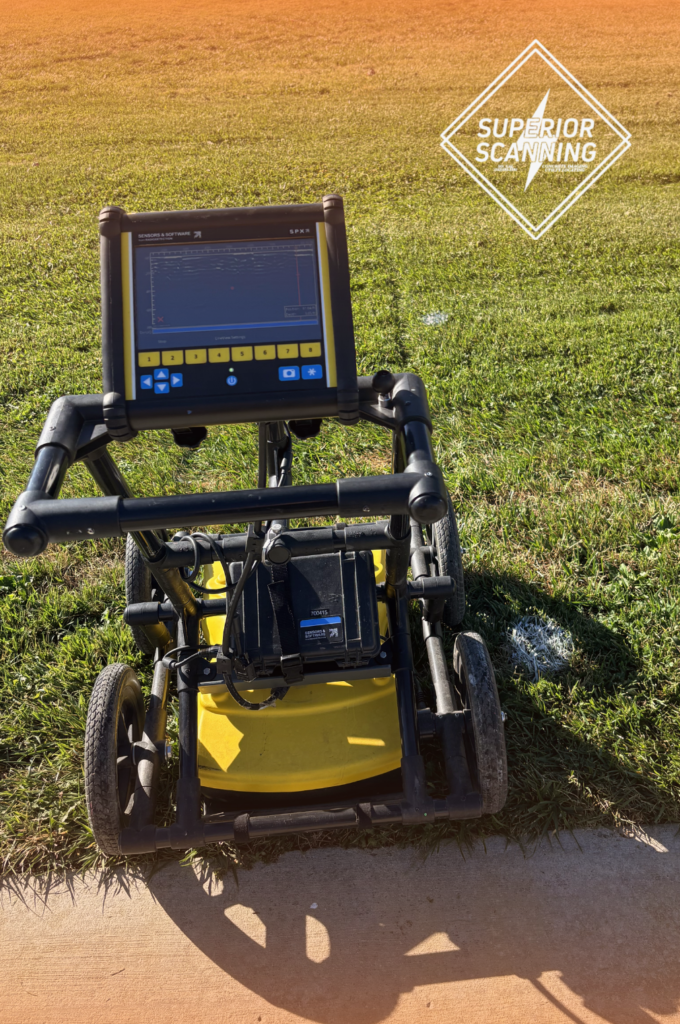
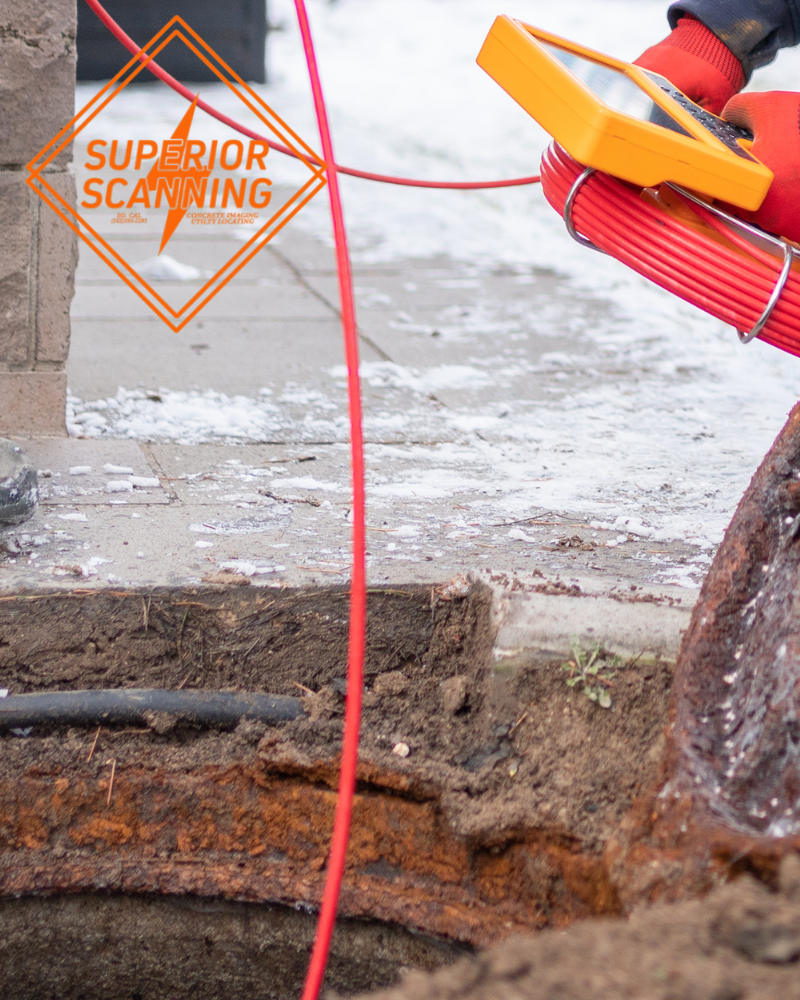
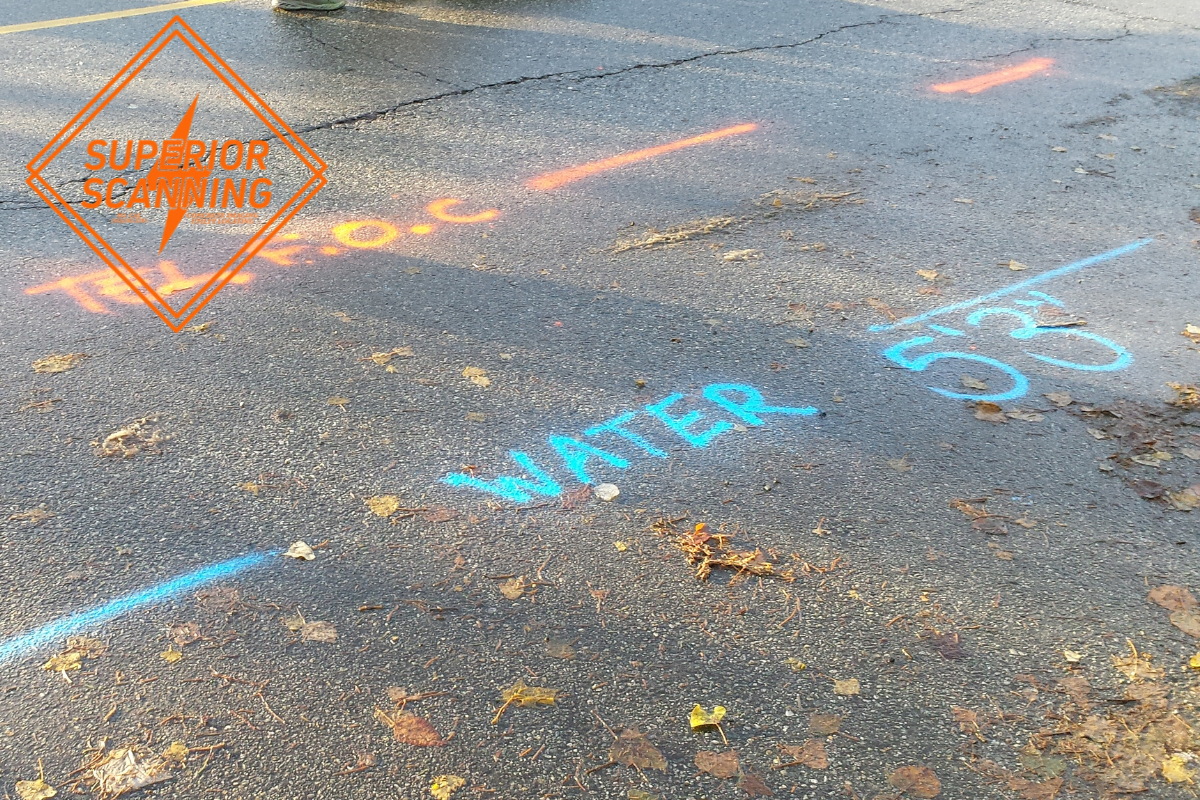
A sewer locating service determines where an underground sanitary sewer or private sewer lateral runs across a property. The process commonly involves inserting a detectable sonde or camera into an accessible cleanout and tracking its signal from the surface. Once detected, the sewer line can be marked to support excavation planning, repairs, construction, or property documentation.
Sewer line locating identifies the horizontal route of an underground sewer pipe. A trained technician introduces a detectable transmitter, sonde, or inspection camera into an accessible cleanout or pipe. An above-ground receiver, serving as a highly precise sewer-line locator, is then used to trace the signal. The detected route is marked with paint or utility flags, and approximate depth readings may be recorded when site conditions allow.
When Do You Need Sewer Locating Services?
Before Excavation or Trenching
Locating sewer lines before digging helps reduce accidental pipe strikes. Trenching blindly drastically increases the risk of severing a line, leading to immediate shutdowns, hazardous cleanups, and expensive project delays.
Before Installing Fences, Pools, or Landscaping
Homeowners and contractors need to locate sewer line paths before undertaking outdoor improvements. Common applications include planning for fence posts, planting trees, building retaining walls, installing irrigation systems, laying patios, excavating for pools, or making drainage improvements.
Before Building an Addition
General contractors and architects need to know the exact sewer route before designing foundations, laying footings, or planning new utility crossings to avoid compromising existing infrastructure.
During Sewer Repairs or Replacement
If you suspect a break or require sewer line leak detection, locating the sewer line helps plumbers and excavation crews identify precisely where to expose the pipe, minimizing disruptive and costly exploratory digging.
When Property Records Are Incomplete
Utility plans, municipal records, and site drawings may not accurately reflect the actual paths of private sewer laterals. A professional sewer location service provides ground-truth data you can rely on.
Before Purchasing or Redeveloping Property
Conducting proper due diligence before buying a property or planning a renovation requires a clear understanding of the site’s subsurface conditions, including a complete site assessment of existing utilities.
How We Locate Sewer Lines
Our process is systematic and designed to provide the clearest possible understanding of your subsurface infrastructure, using advanced underground sewer pipe locator technology.
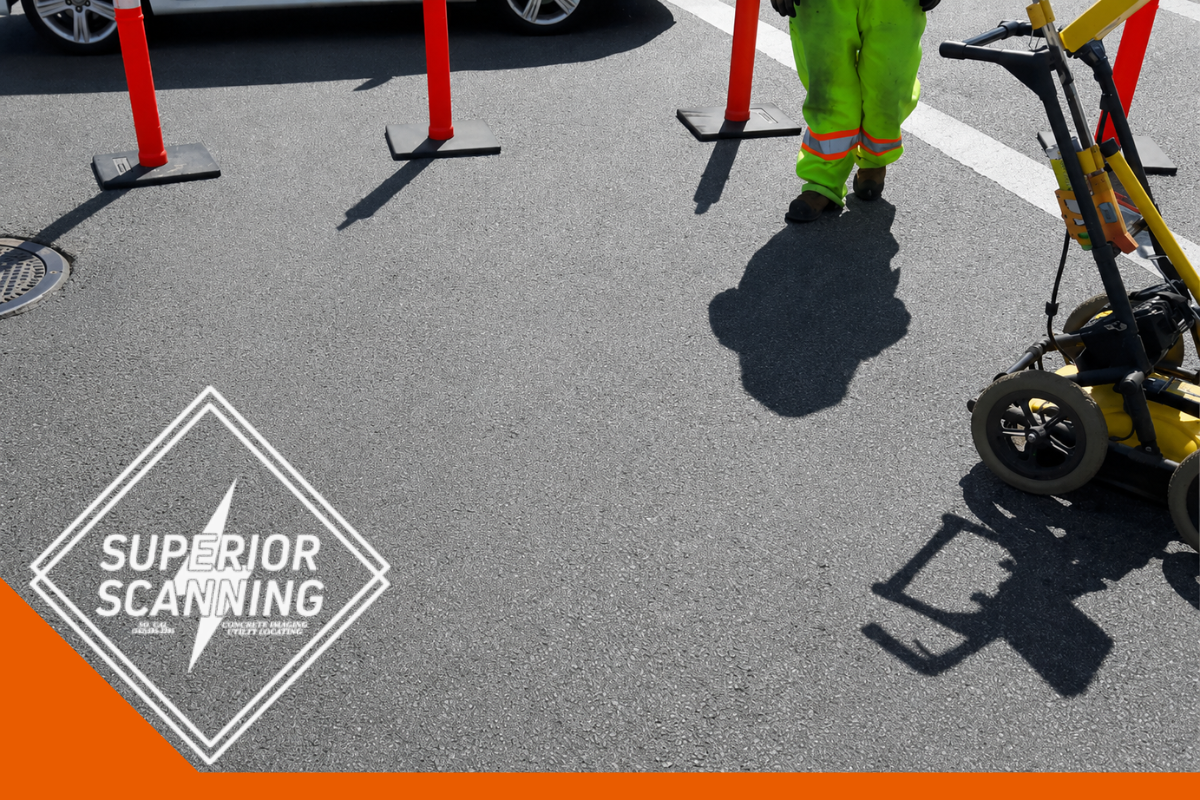
1. Review the Property and Project
The technician reviews known cleanouts, building exits, manholes, plumbing information, proposed excavation areas, and any available site plans.
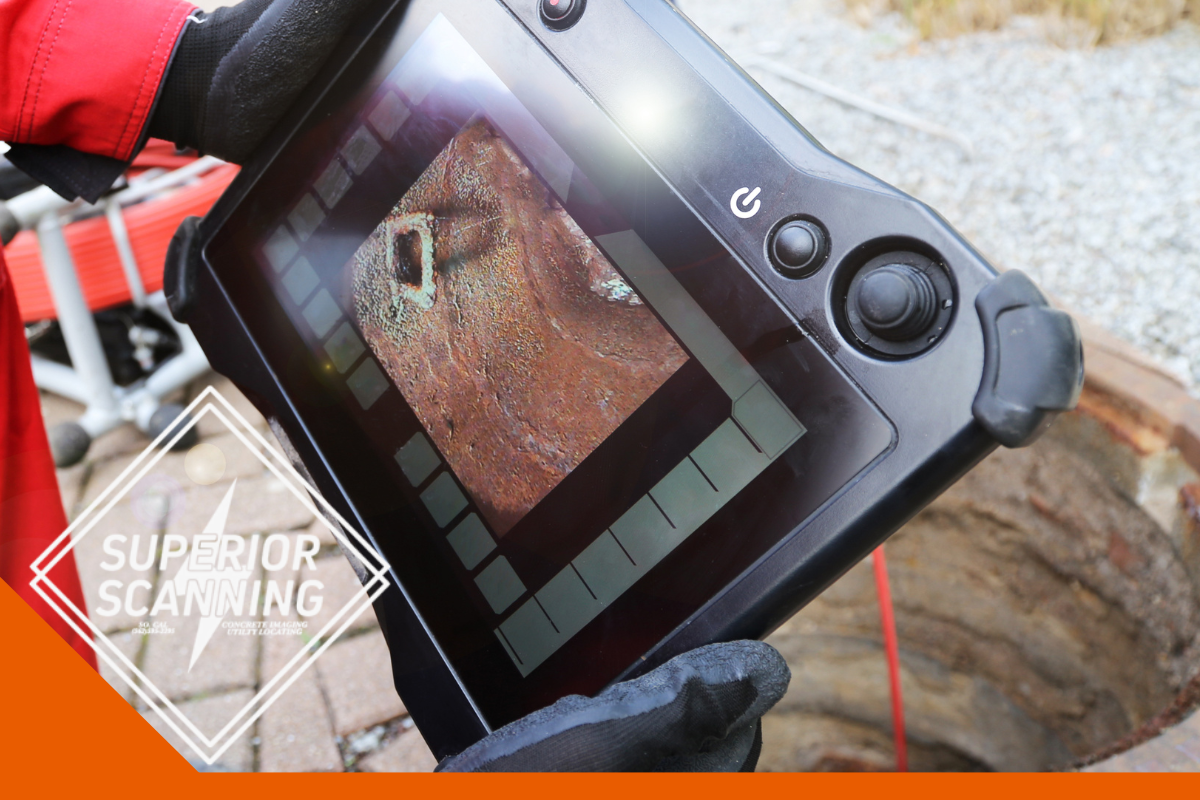
4. Trace the Signal Above Ground
A highly calibrated above-ground sewer line locator receiver is used to track the transmitter’s signal and precisely locate the pipe’s route.
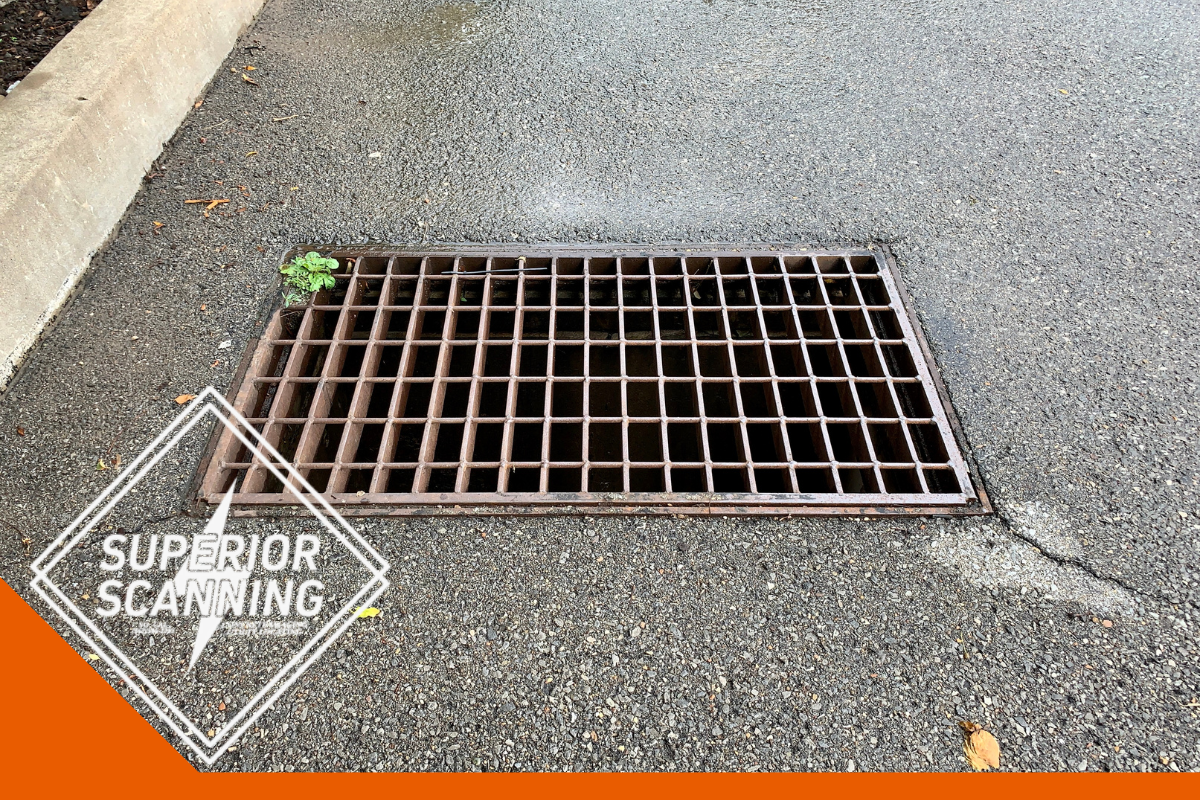
2. Identify an Accessible Entry Point
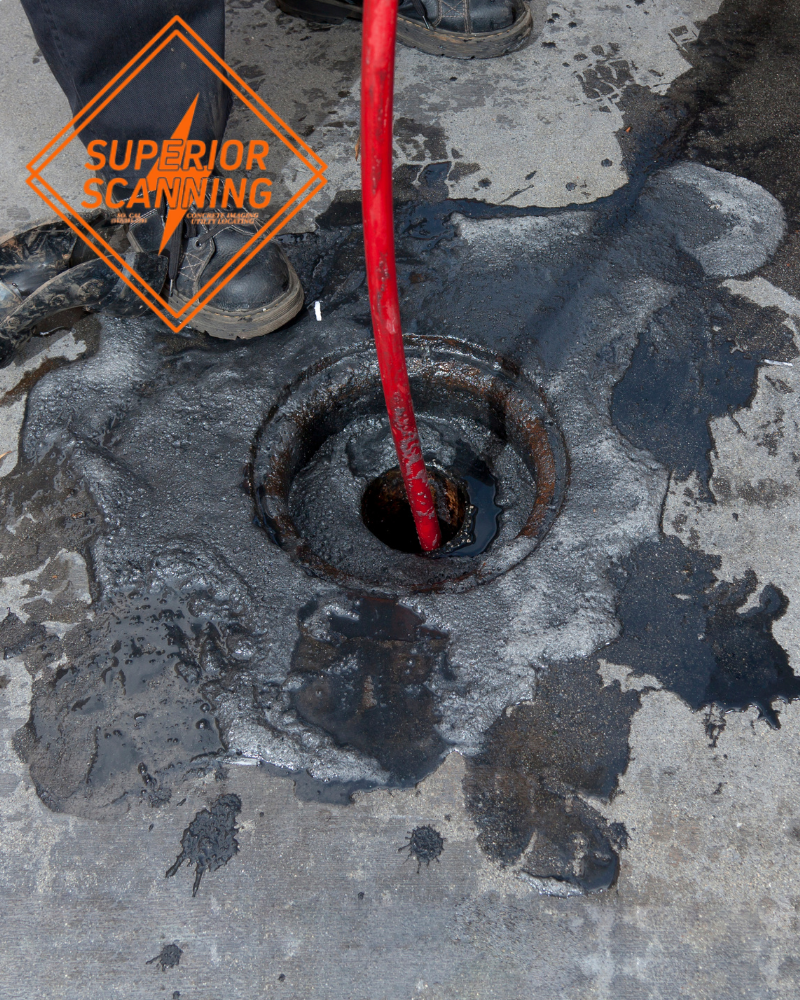
To properly track the line, we identify accessible entry points, including sewer cleanouts, drain openings, inspection ports, manholes, and pipe openings.
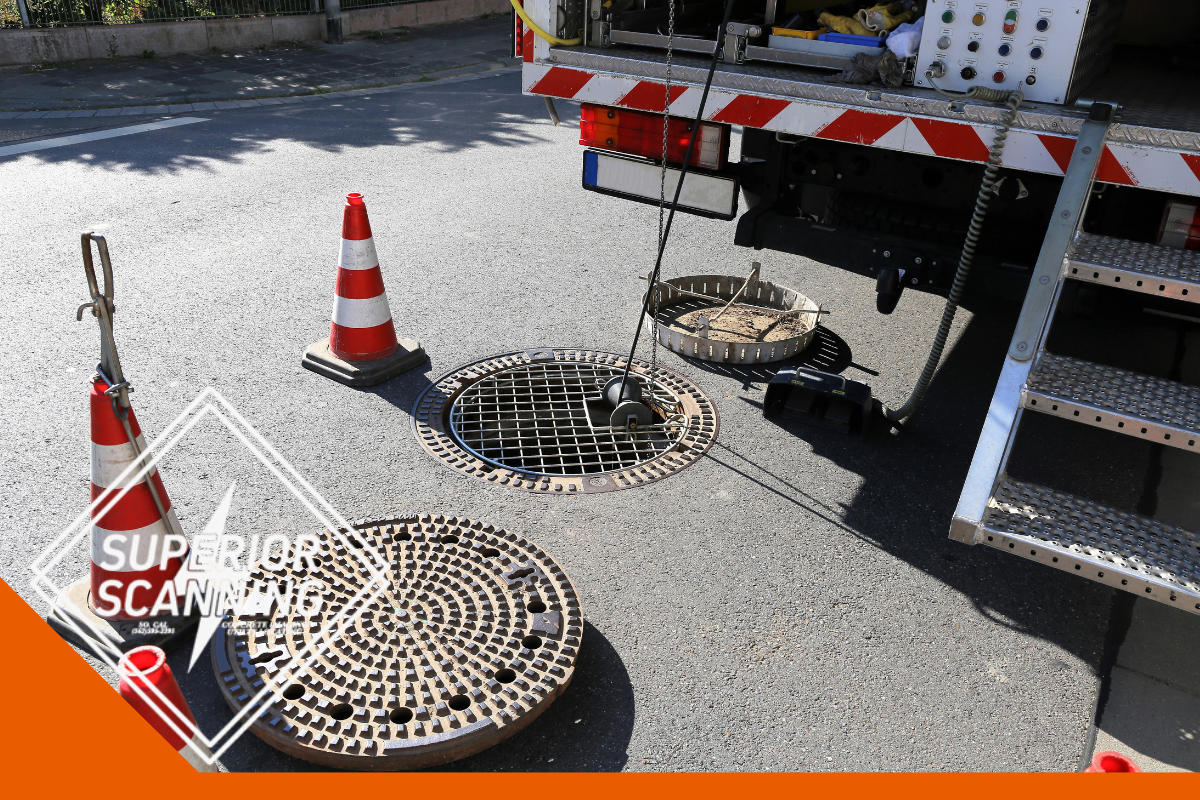
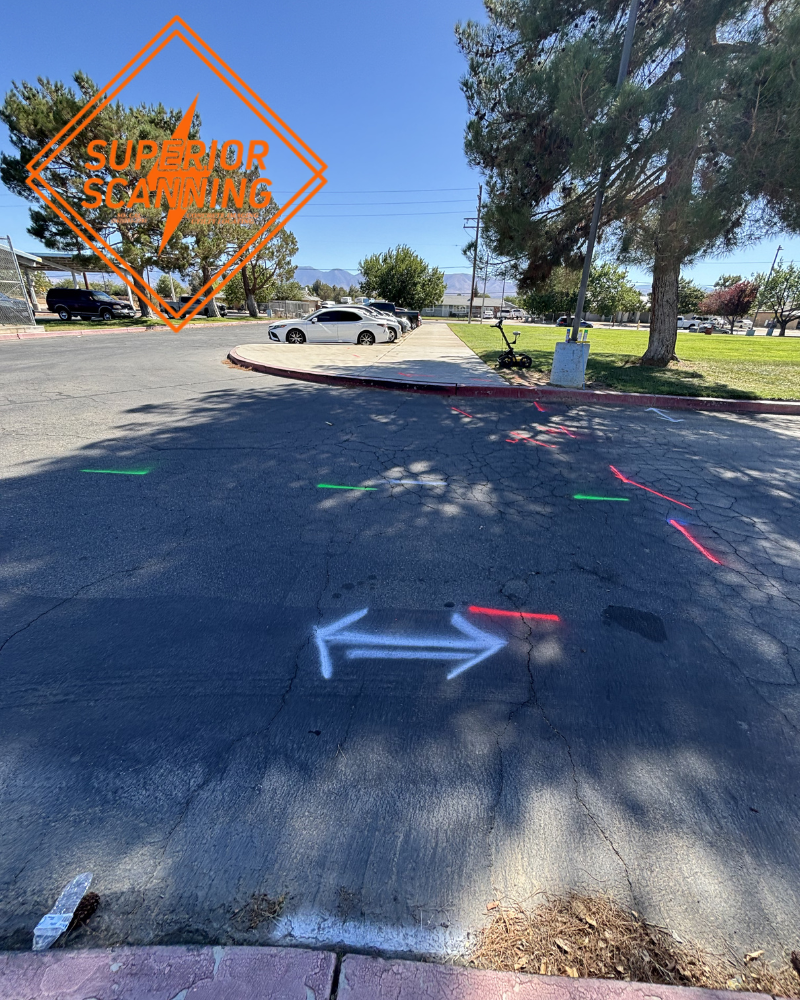
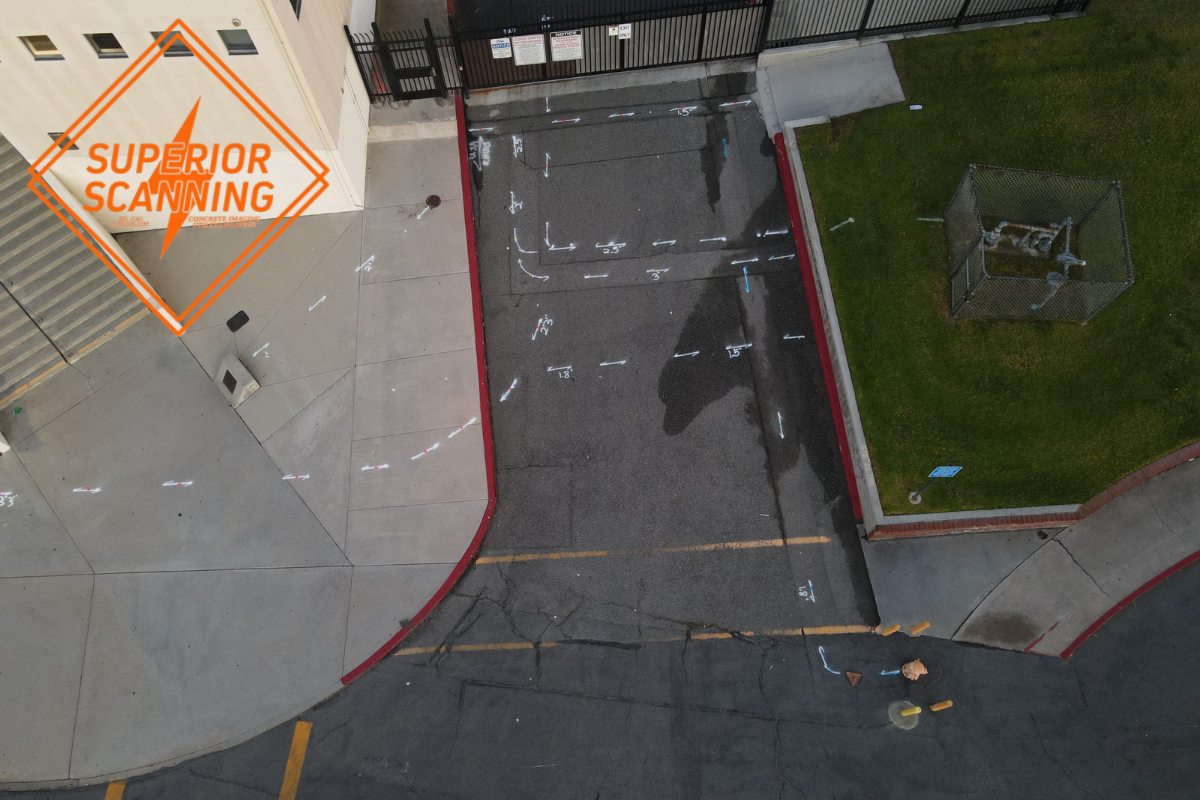
5. Mark and Document the Sewer Location
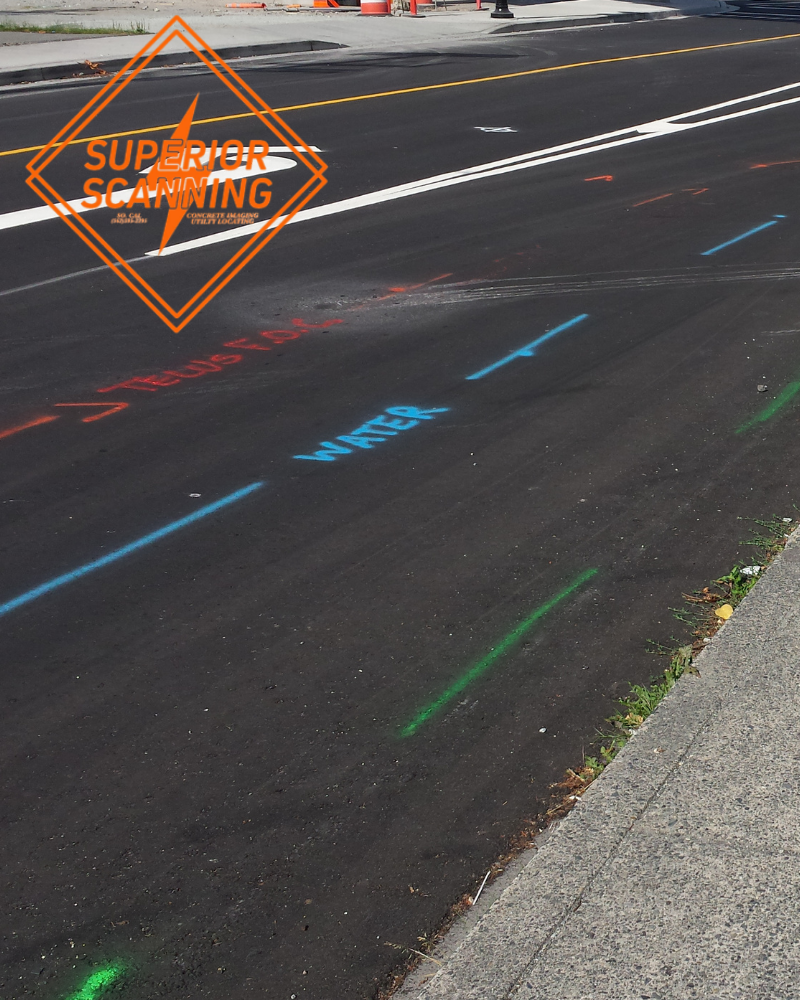
The final deliverables provide clear, actionable information for your field crew. This may include surface paint markings, utility flags, approximate depth readings, photographs, field sketches, or digital utility maps.
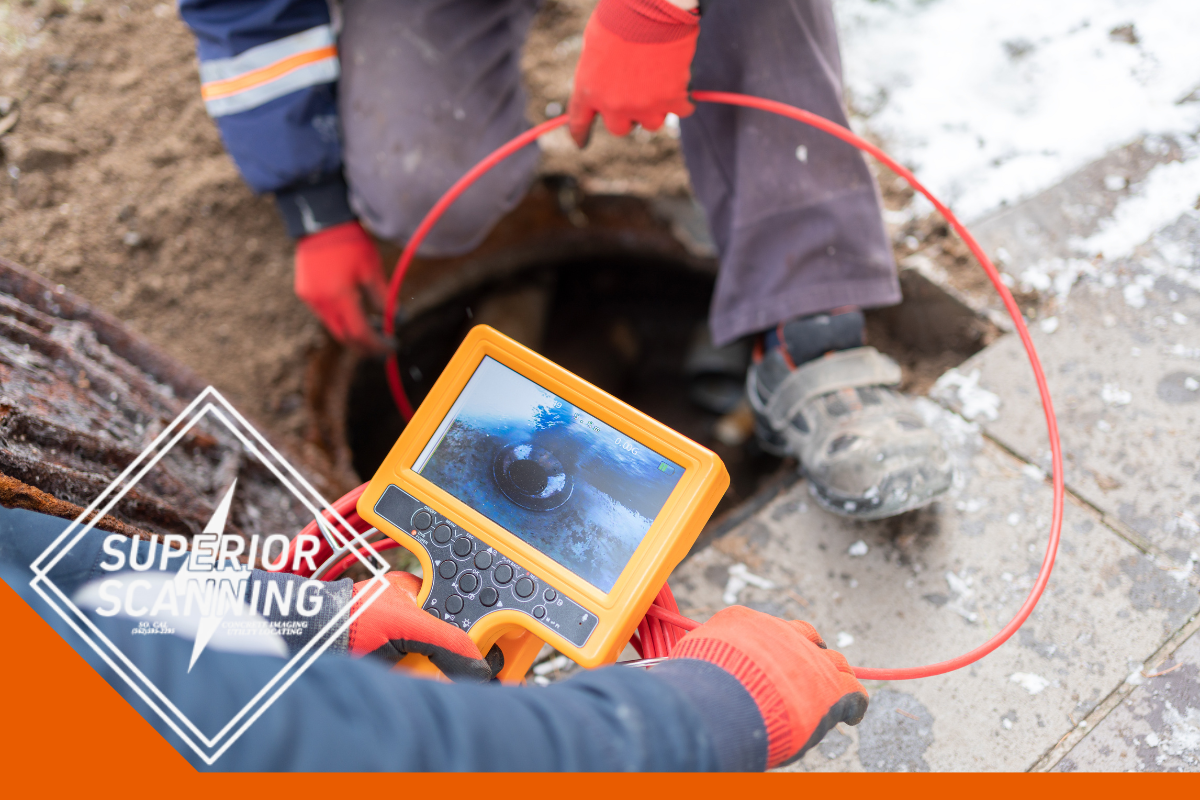
3. Introduce a Detectable Sonde or Camera
A small transmitter or sonde is attached to a push rod or sewer inspection camera and advanced directly through the pipe.
What Types of Sewer Lines Can Be Located?
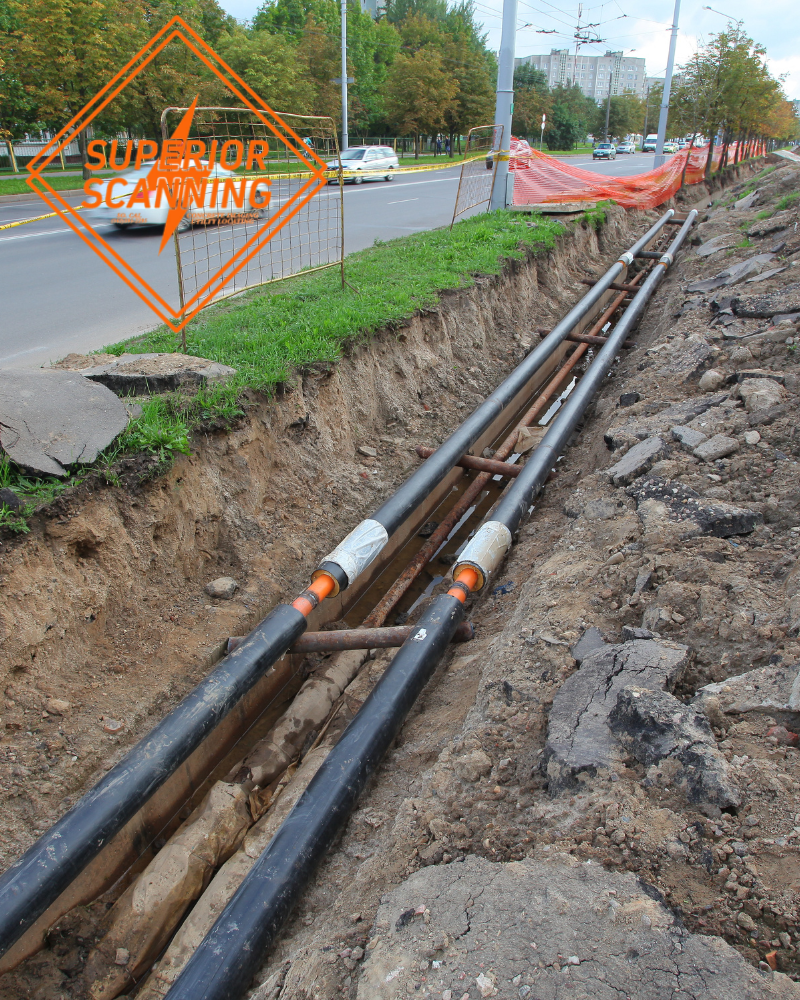
We use specialized sewer locating equipment to track a wide variety of subsurface pipes, including:
- Residential sewer laterals
- Commercial sewer lines
- Industrial sewer pipes
- Sanitary sewer connections
- Building sewer exits
- Main-to-building connections
- Sewer cleanouts
- Septic system piping
- Drainage pipes
- Storm sewer lines
Note: Sanitary sewer locating and storm drain locating may require different access points and equipment depending on the site.
Residential Sewer Line Locating
If you are a homeowner, you may need help locating sewer lines on your property before a major project. Common residential needs include planning landscaping, installing a pool or fence, preparing for sewer repair, identifying a missing cleanout, or verifying the utility route before buying a property.
How to locate a sewer line in your yard
To locate a sewer line in a yard, a technician typically accesses the pipe through a cleanout, inserts a detectable sonde or sewer camera, and follows the transmitted signal from above ground. The detected route is then marked across the property.
Commercial and Industrial Sewer Locating
Commercial properties often contain multiple laterals, abandoned pipes, undocumented connections, or extensive privately maintained sewer networks. We provide commercial sewer locating services for facility renovations, tenant improvements, parking lot excavation, new construction, site redevelopment, plumbing repairs, environmental assessments, utility mapping, plant maintenance, and capital improvement projects.
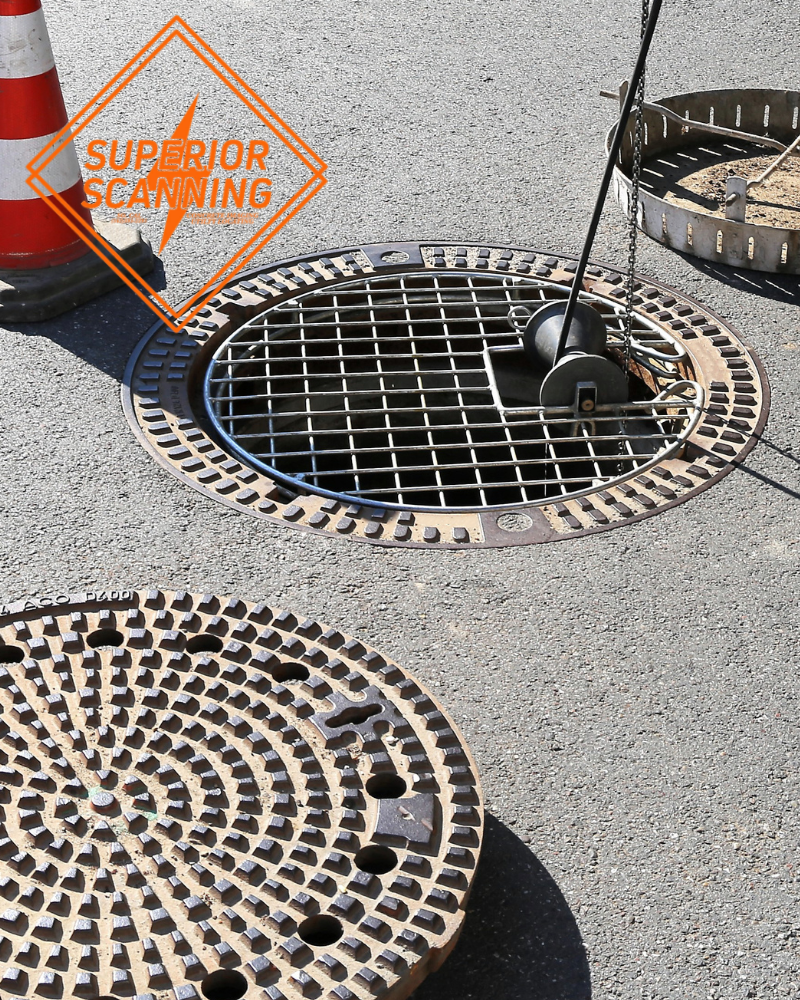
Sewer Line Locating Before Digging
There is a vital distinction between public utility marking (like 811) and private utility locating.
Important Note: Public utility notification systems generally coordinate the marking of participating utility-owned infrastructure. Private sewer laterals and other privately owned utilities may not be included. Property owners, contractors, or facility managers may need a private sewer locating service to identify these lines.
Have the private sewer line located before excavation begins.
Challenges That Can Affect Sewer Line Detection
While sewer line detection is highly accurate, certain site conditions can present challenges. If one method is inconclusive, our technicians may recommend combining multiple locating methods. Potential limitations include:
- No accessible sewer cleanout
- Collapsed or blocked pipes
- Deep sewer lines
- Cast iron or heavily corroded piping
- Multiple bends or branch connections
- Signal interference
- Reinforced concrete
- Dense utility congestion
- Saturated or highly conductive soil
- Inability to advance the sonde through the pipe
- Missing or inaccurate property plans
Why Choose Superior Scanning for Sewer Locating?
When you search for sewer locator or sewer pipe locator services near you, you need a team that understands the fast-paced demands of active job sites in Southern California.
- Experience locating private underground utilities
- Professional sewer locating equipment
- Non-destructive investigation methods
- Clear surface markings
- Residential and commercial capabilities
- Responsive scheduling (next-day/same-week availability)
- Fully insured with commercial general and professional liability insurance required for major commercial, industrial, and government sites
Sewer Locating Service Areas
Superior Scanning provides sewer locating services to active construction and facility sites throughout Southern California. Our primary service areas include:
- Los Angeles County
- Orange County
- Riverside County
- San Diego County
If your project is on the border of these regions, please contact us to confirm coverage. Also, if you need a broader subsurface review before intrusive work starts? Learn more about our concrete scanning services.
Frequently Asked Questions About Sewer Locating
How do you locate a sewer line?
A technician typically inserts a detectable sonde or sewer inspection camera into an accessible cleanout. A receiver is then used above ground to track the signal and mark the sewer line’s route.
How can I locate a sewer line in my yard?
Look for visible cleanouts, review available property plans, and identify where the plumbing exits the building. For a reliable field location, hire a sewer-locating service to trace the pipe using a sonde, camera, or other professional equipment.
Can a sewer locator determine the depth of the pipe?
Many sewer locators can provide an estimated depth. However, readings may be affected by signal interference, soil conditions, pipe depth, nearby utilities, and surface materials. Depth measurements should generally be treated as approximate unless independently verified.
Can you locate a PVC sewer pipe?
Yes. A detectable sonde placed inside a PVC sewer pipe can often be traced from the surface. Ground penetrating radar may also help locate certain non-metallic pipes when site and soil conditions are suitable.
Will a public utility locate and mark my private sewer line?
Private sewer laterals may not be included in public utility marking programs. Coverage and ownership responsibilities vary by jurisdiction, so property owners and contractors should confirm what will be marked before excavation begins.
Do I need sewer locating before digging?
Sewer locating is recommended before excavation, trenching, drilling, grading, fence installation, landscaping, or construction when the work could affect an underground sewer line. Locating the pipe beforehand can reduce the risk of damage, delays, and unexpected repair costs.
Schedule Sewer Locating Services
Do not rely on assumptions or incomplete utility plans before digging. Superior Scanning can trace and mark underground sewer lines for construction, excavation, repair, inspection, and property planning.
Pricing depends on the scope of work, the time required on-site, and travel. We provide competitive, flat-rate, or hourly pricing based on project details.
