

Post-Tension Cable Scanning Before Drilling, Coring, and Cutting
Before you penetrate a concrete surface, knowing what lies beneath is critical to keeping your project safe and on track. Post-tension cable scanning is a specialized service used before intrusive work begins to locate these highly stressed structural elements. Striking a PT cable can create major safety hazards and significant project risks, leading to immediate shutdowns.
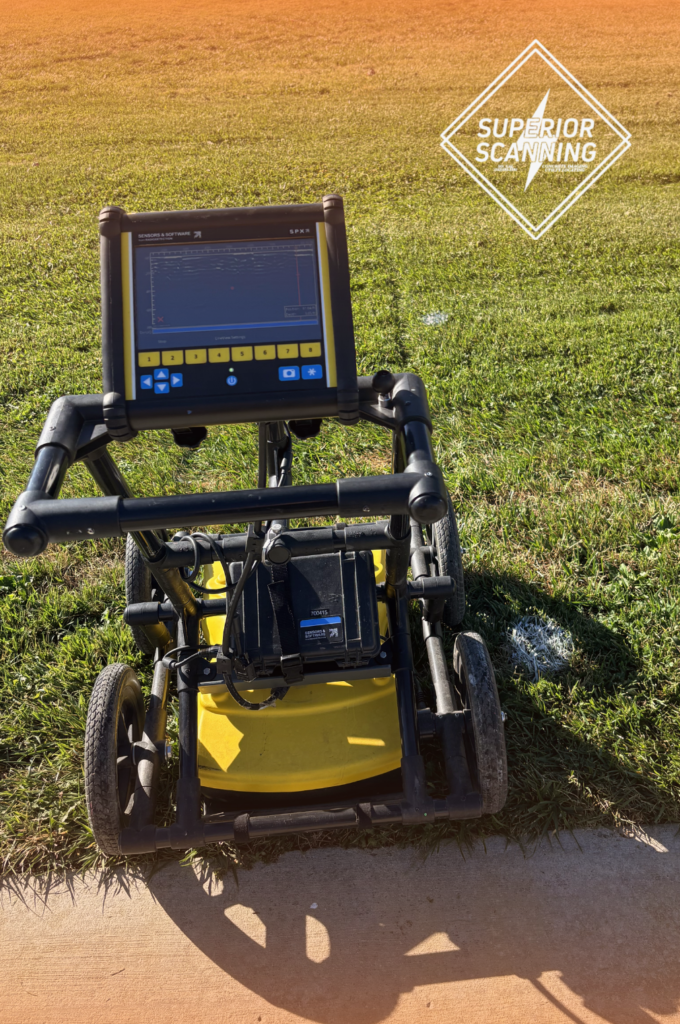
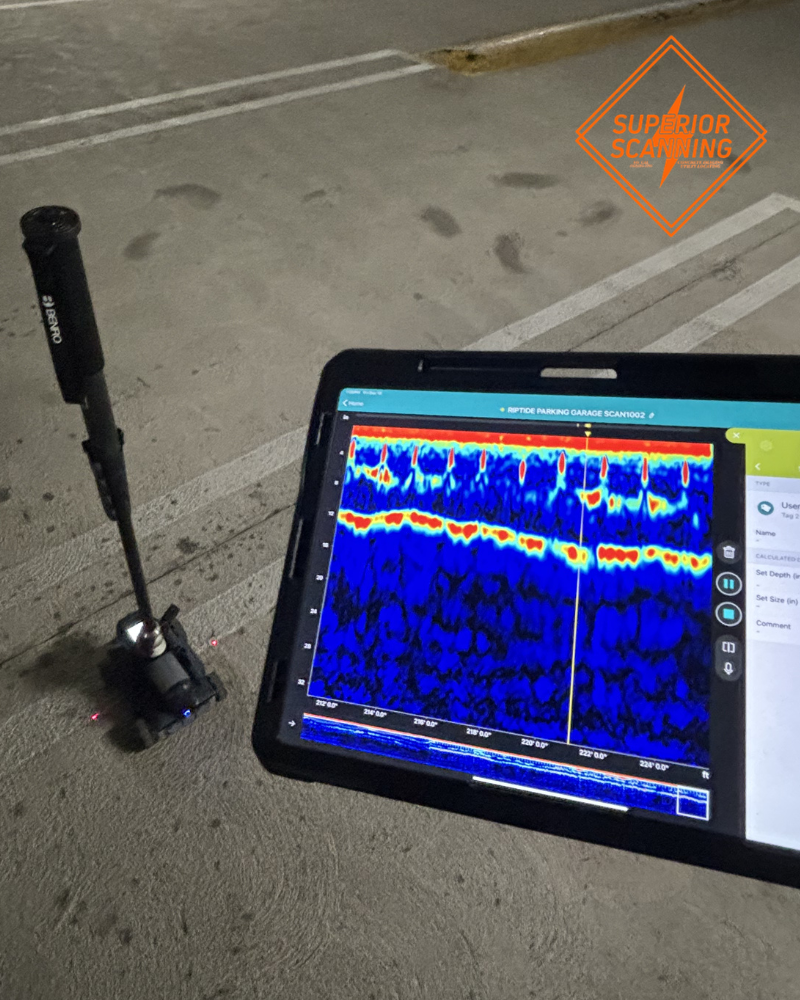
Using ground penetrating radar (GPR), we non-destructively map the subsurface. Post-tension cable scanning is one of the most important applications of concrete scanning before drilling or cutting begins. Our service is designed to help you locate post-tension cables before drilling into the slab, reduce strike risk, and support safer decisions before coring, saw cutting, and anchoring.
What Is Post-Tension Cable Scanning?
Post-tension cable scanning is a non-destructive method used to locate highly tensioned steel cables hidden within concrete structures. It is a highly specific use case within the broader field of concrete scanning. Because these cables are embedded directly in some structural slabs, they are a major concern before any penetrations or cuts are made. Scanning provides construction teams with a clear, practical map of the slab’s interior, enabling them to work with confidence.
What Post-Tension Cables Are
Simply put, post-tension cables are tensioned structural elements within certain slabs that provide the concrete with its load-bearing strength. They are commonly present in commercial buildings, parking structures, podium decks, and multi-story construction. Knowing how to locate post-tension cables in slab construction is critical, as working on a post-tensioned slab requires extreme care because these cables exert thousands of pounds of pressure.
Why Post-Tension Scanning Is Used
Scanning is used primarily to reduce the risk of hitting a cable before drilling or cutting. It supports safer planning and helps crews identify work areas more carefully before intrusive work begins, preventing catastrophic structural damage.
How Post-Tension Scanning Works
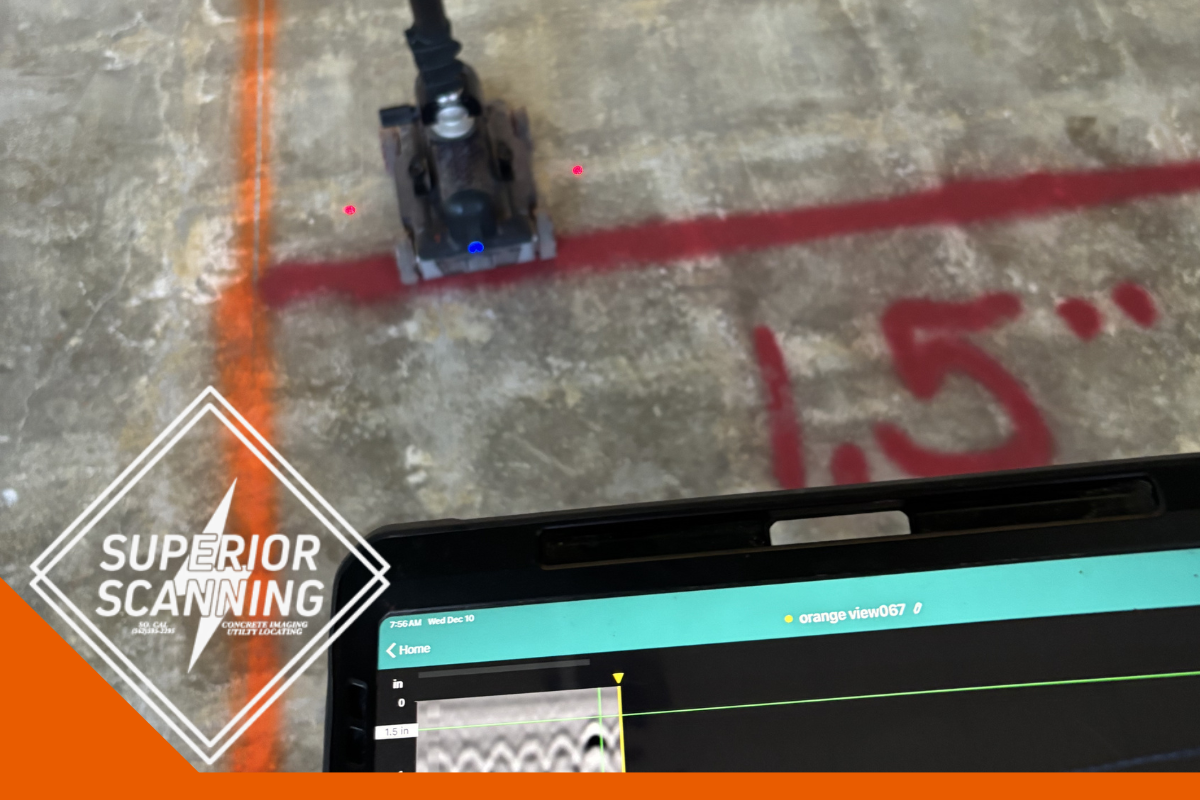
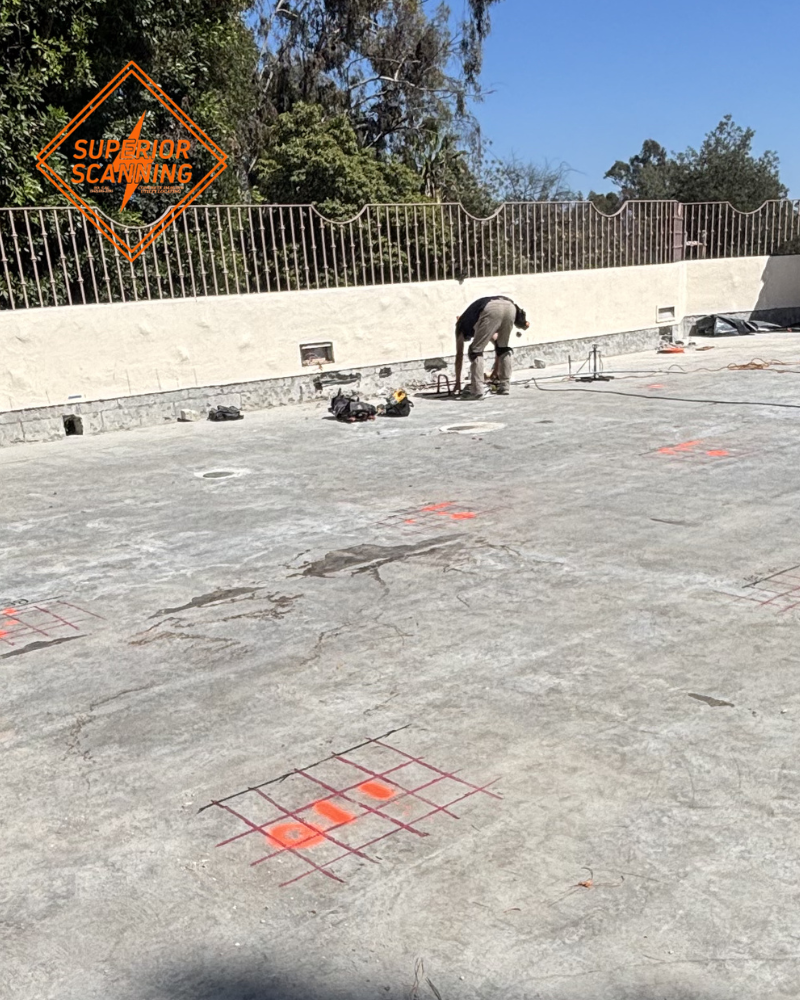
The scanning process is simple, safe, and highly effective for active construction sites. The slab is scanned to identify likely embedded elements before work begins. Once the data is gathered, the findings are immediately interpreted and marked directly on the surface for the field crew. We keep the process service-focused, ensuring your team has the practical answers they need without getting bogged down in overly technical equipment jargon.
How Scanning for Post-Tension Cables Is Performed
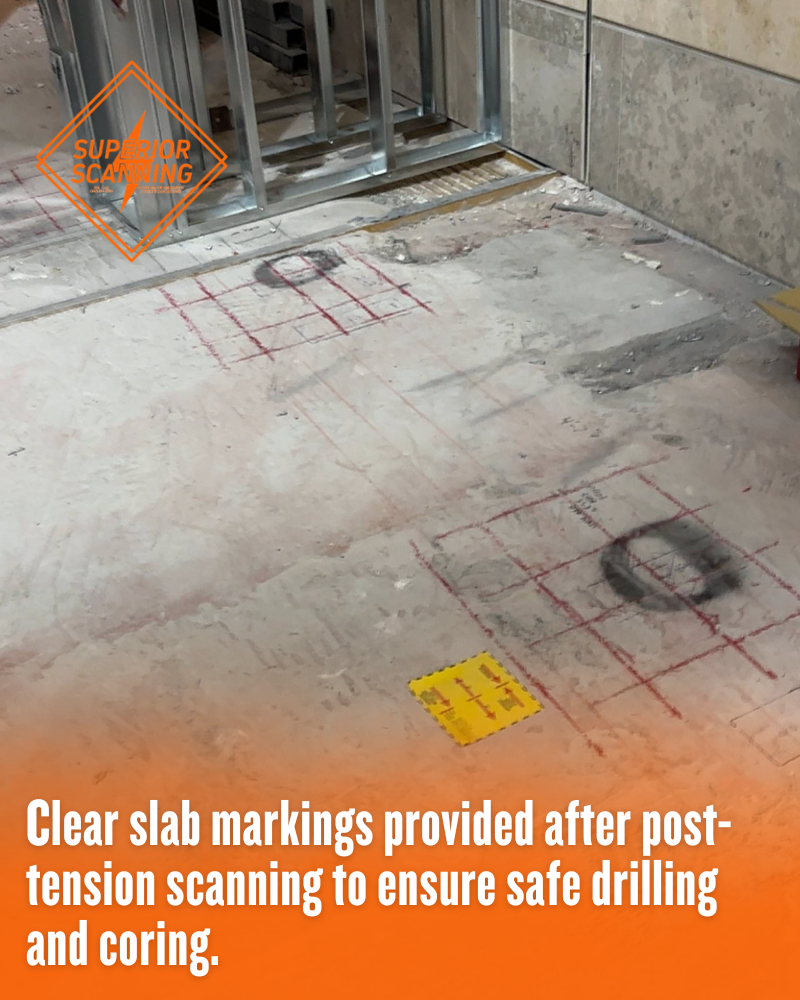
First, a trained technician scans the designated work area using specialized radar equipment. As the radar detects subsurface elements, likely cable paths are identified. Clear, highly visible markings are then placed directly on the slab. The field crew uses that real-time information to plan safer drilling, coring, or cutting paths.
Why This Matters in Post-Tension Slabs
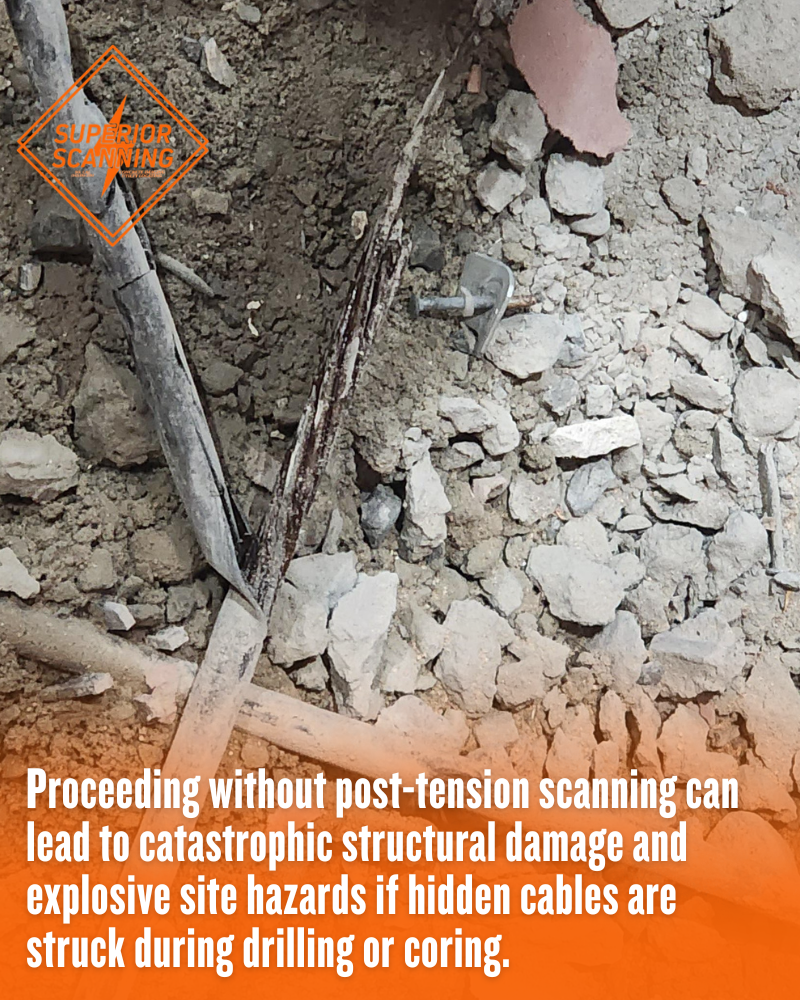
PT slabs require extra caution before any penetration. Proceeding with destructive work without scanning drastically increases the risk of a blowout. Because of the sheer danger and structural liability involved, locating these cables is one of the most important concrete scanning use cases in the industry.
Why Post-Tension Cable Scanning Matters
Guessing where it is safe to drill in a post-tension slab is a gamble you cannot afford to take. Scanning matters because it directly mitigates massive safety risks and financial liabilities.
Helps Reduce Safety Risk
Striking a PT cable can create serious, explosive site hazards. A severed cable can burst from the concrete with immense force. Scanning helps crews make more informed decisions before drilling or cutting, which is especially important on active job sites and in occupied buildings, where safety is the top priority.
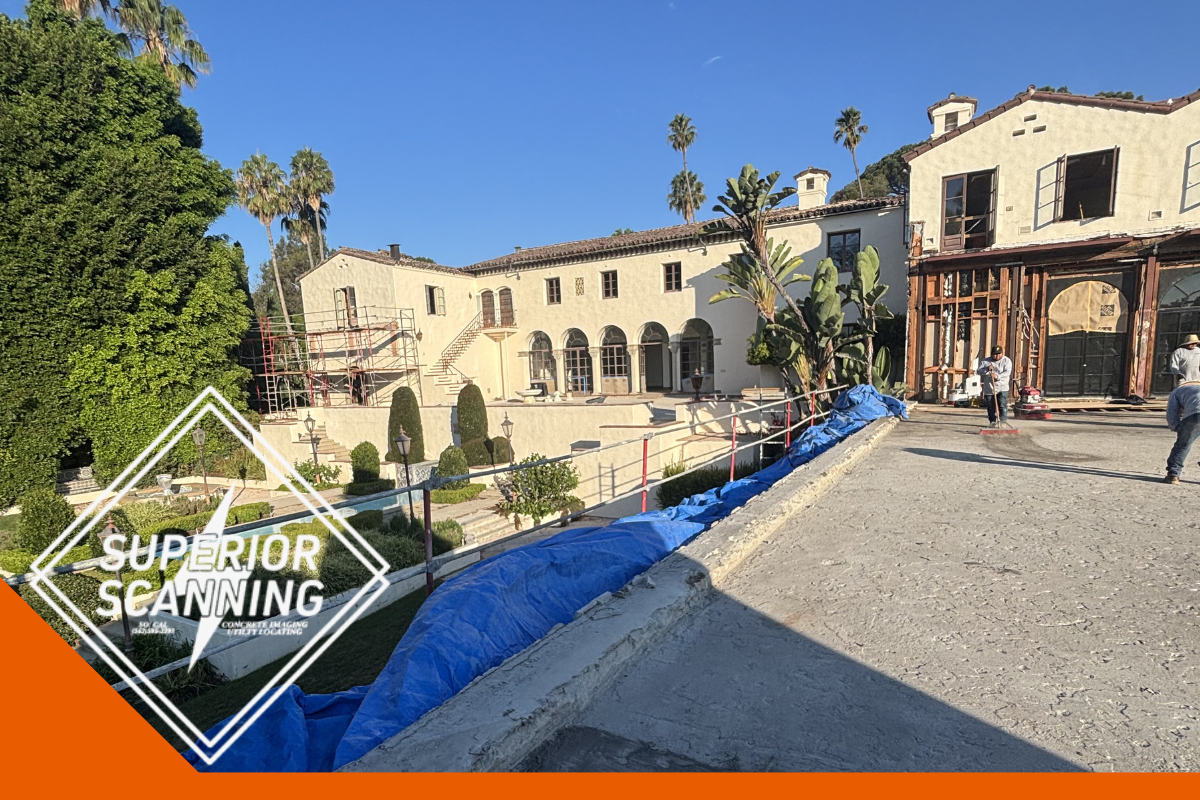
Helps Prevent Costly Damage and Delays
A single cable strike can stop work immediately. Repairing a snapped post-tension cable requires specialized engineering, resulting in costly repairs, severe schedule disruption, and ongoing project complications. Scanning helps reduce these completely avoidable mistakes, protecting your timeline and budget.
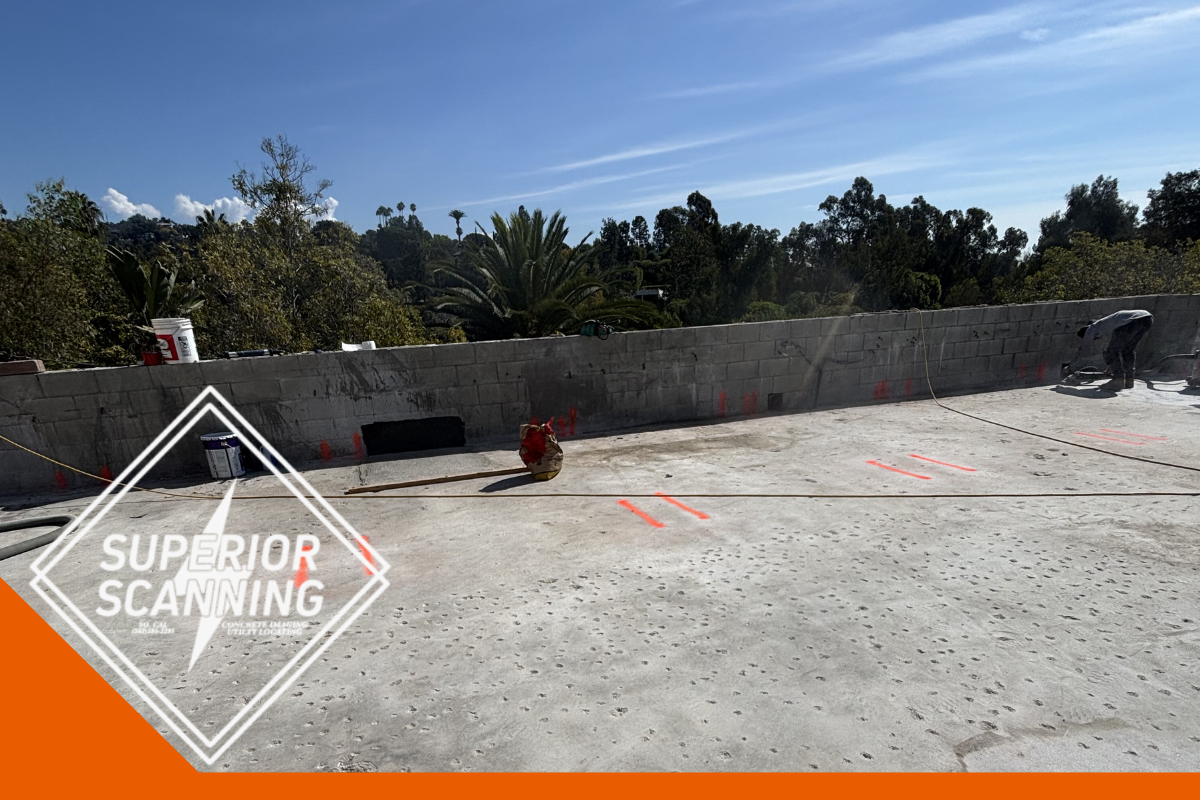
Supports Better Planning Before Intrusive Work
A thorough scan confirms safer work areas before any penetrations are made. It helps general contractors coordinate smoothly with drilling, coring, anchoring, and cutting crews, ultimately reducing guesswork in the field and keeping everyone on the same page.
When You Should Schedule Post-Tension Scanning
The best time to schedule scanning is right before the tools come out. We routinely support a variety of critical project applications.
Before Core Drilling
Core drilling through a PT slab is a high-risk application. Scanning helps identify safer drilling locations so bits do not strike tensioned steel. This is highly useful for safely routing plumbing, electrical, and mechanical penetrations.
Before Saw Cutting
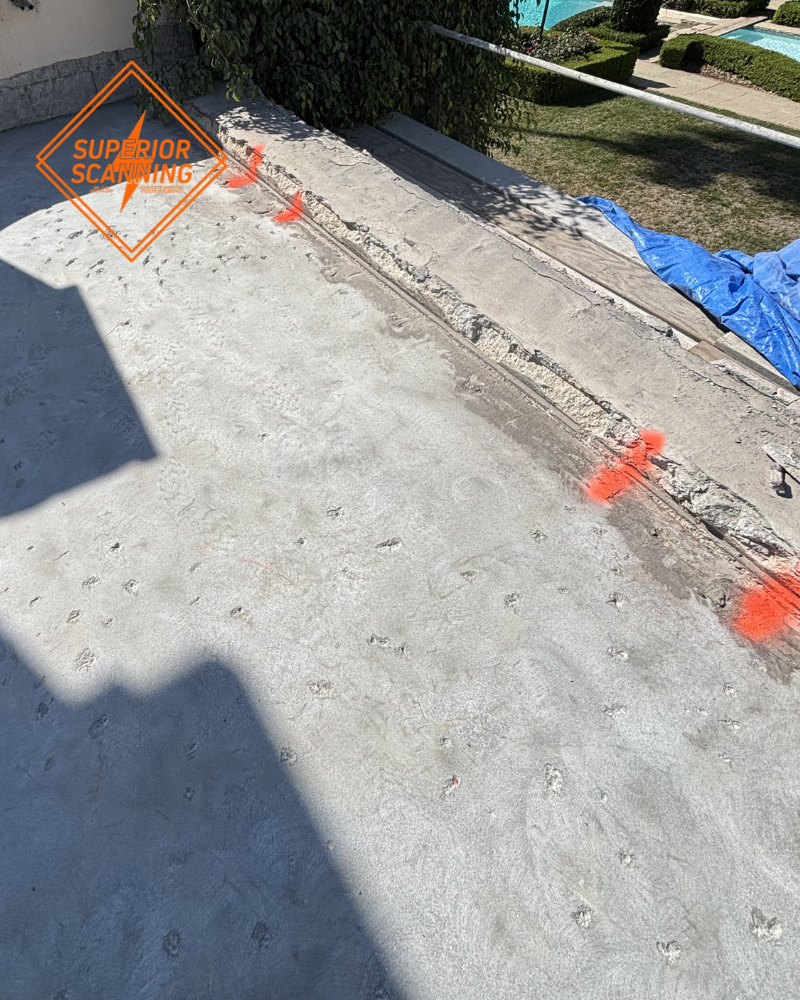
Saw cutting paths in a PT slab requires careful, exact planning. Scanning the trench line or designated cut area helps reduce the risk of inadvertently crossing cable paths.
Before Anchoring or Installing Equipment
Anchors, bolts, rails, and heavy equipment bases often require deep slab penetrations. Scanning the proposed layout helps contractors avoid conflicts with tensioned elements that could compromise the installation or cause a cable to snap.
Before Renovation or Layout Changes
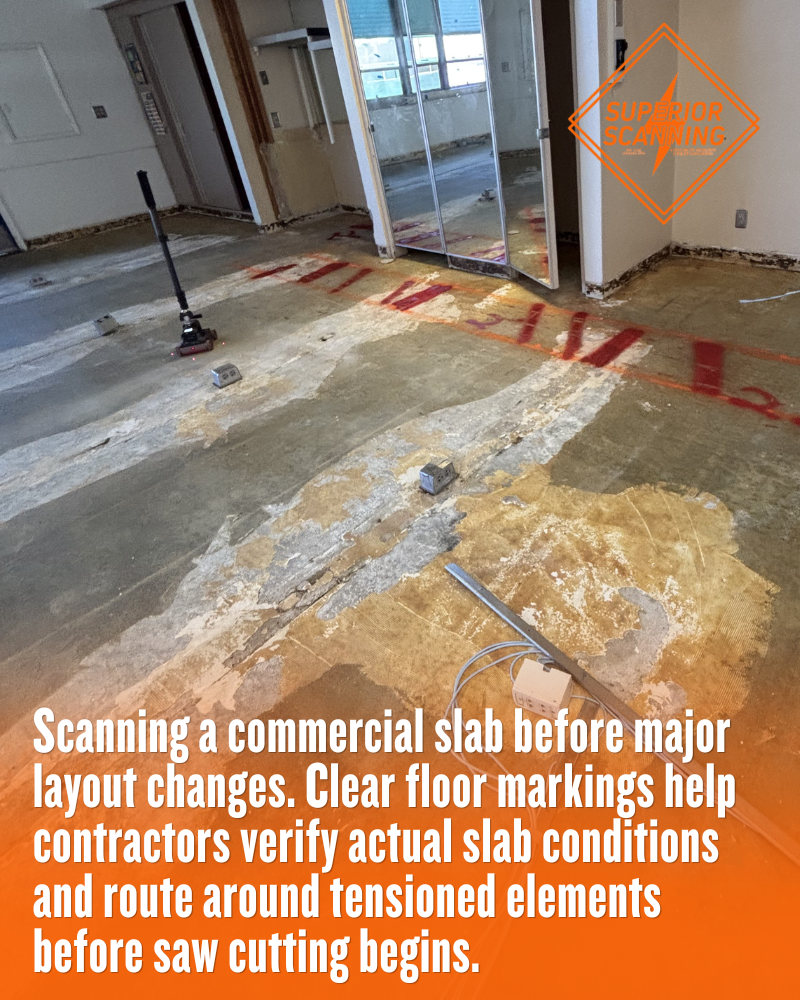
Commercial remodels and tenant improvements often involve new penetrations or slab modifications. Scanning helps verify the actual slab conditions before work begins, ensuring the new layout is safe to execute.
Common Questions About Post-Tension Cables in Slabs
Post-tension cables are hidden inside the concrete, and their location can vary by building type, structural design, and slab conditions. Field verification is important before any intrusive work begins.
Where Are Post-Tension Cables Usually Found?
They are common in certain structural slab systems, such as parking garages, podium decks, and high-rise floors. Their exact placement varies widely by building type and structural design, which is why field verification is always important before intrusive work begins.
How Deep Are Post-Tension Cables?
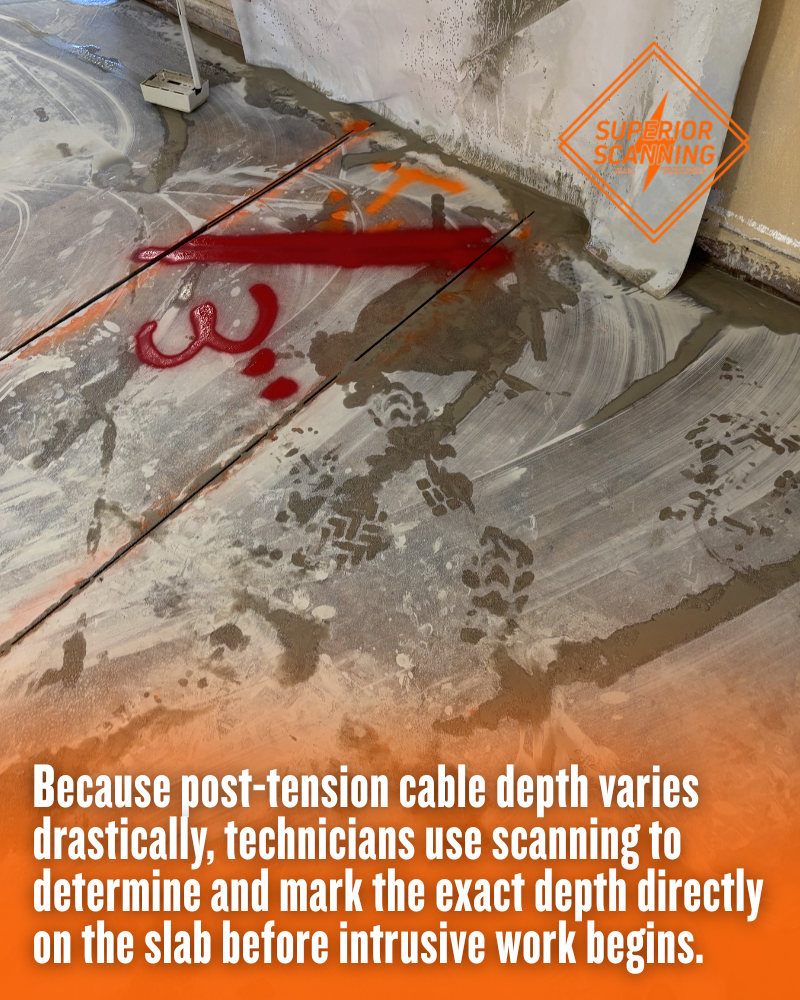
People often ask how deep post-tension cables are, but there is no single answer. The depth can vary drastically depending on slab design, structural load requirements, and the cable’s position within its draped profile. Because there is no rigid, one-size-fits-all answer, field scanning matters immensely before drilling or cutting.
Can You See Post-Tension Cables From the Surface?
You cannot reliably locate them solely by visual inspection. While you might see grout pockets on the edge of a slab, their internal paths are completely invisible. Scanning is used because hidden slab conditions are not always obvious from the surface.
Who Uses Post-Tension Cable Scanning Services
Our services are essential for anyone breaking concrete on a post-tensioned structure.
Contractors and Trades
General contractors, core drilling contractors, and saw cutting contractors rely heavily on our services to keep their operations safe. We also routinely support electricians, plumbers, and mechanical contractors in planning safe penetrations.
Engineers, Facility Teams, and Property Stakeholders
Structural engineers, facility managers, and property managers use our services to protect their buildings during upgrades. Building owners and commercial and industrial project teams count on us for accurate data before authorizing concrete modifications.
Post-Tension Slab Applications
Post-tension cable scanning is commonly used before core drilling, saw cutting, anchoring, equipment installation, renovation, tenant improvements, and layout changes in post-tensioned concrete structures.
Why Choose Superior Scanning for Post-Tension Scanning
We understand the demands of active Southern California jobsites and are focused on damage prevention, clear communication, and speed.
Clear, Jobsite-Ready Markings
We provide clear slab markings that help crews instantly understand likely cable paths. We deliver practical field information drawn directly on the concrete, making it highly useful for fast-paced, active jobsite decisions.
Responsive Scheduling for Time-Sensitive Work
We know that many PT scanning requests happen right before drilling or coring starts. We provide responsive scheduling to support fast-moving project schedules so your crews are never left standing around waiting.
Experience With Concrete Scanning Applications
Our technicians have extensive experience supporting core drilling, saw cutting, and complex retrofit work. We focus on seamless coordination with field crews and pride ourselves on clear, jobsite-focused communication.
Post-Tension Cable Scanning Service Areas
Superior Scanning travels directly to your jobsite to provide fast, reliable answers before you drill.
Areas We Serve
We provide post-tension cable scanning services across Southern California, including Los Angeles, Orange County, Riverside, San Diego, and surrounding Southern California areas.
Looking for Post-Tension Scanning Near You?
If you are looking for post-tension scanning near you, our team is ready to deploy. Call or request a quote today to get your site mapped out safely. Need more comprehensive help? Explore our local concrete scanning pages when available.
Need a Broader Slab Review?
What contractors ask most often before drilling, coring, cutting, or anchoring into a post-tension slab.
Request Post-Tension Cable Scanning
Do not leave your next penetration up to chance. Post-tension cable scanning is critical before drilling, coring, or cutting begins.
- Los Angeles
- Orange County
- Riverside
- San Diego
- Surrounding Southern California areas
Schedule Service or Request a Quote
Call now or request a quote to get started. Send us your project location and scope, and let us know if drilling, coring, cutting, or anchoring is coming up soon. We will help you keep your site safe and on schedule.
Frequently Asked Questions About Post-Tension Scanning
What is post-tension scanning?
Post-tension scanning is a non-destructive method for locating hidden, high-tension steel cables within concrete structures before intrusive work begins.
Why do I need scanning before drilling a post-tension slab?
Striking a tensioned cable can cause an explosive structural failure, severe injury, and massive project delays. Scanning is a standard precaution to mitigate this exact risk.
Can scanning help locate post-tension cables in a slab?
Yes, scanning for post-tension cables is one of the main reasons contractors and engineers request this service.
Do I need scanning before core drilling or saw cutting?
Yes, core drilling and saw cutting are common high-risk use cases that require precise subsurface mapping to safely avoid tensioned cables.
How deep are post-tension cables?
The depth varies significantly by the structure and the specific slab design. Emphasizing field verification over guesswork is the only way to accurately determine their depth.
Do you provide post-tension cable scanning near me?
Yes, Superior Scanning provides post-tension cable scanning across the Southern California service area. Contact us today for scheduling.
Request Post-Tension Cable Scanning
Call now or request a quote to get started. Send us your project location and scope, and let us know if drilling, coring, cutting, or anchoring is coming up soon. We will help you keep your site safe and on schedule.
Need a broader slab review before intrusive work starts? Learn more about our GPR concrete scanning services.
